How Housing Algorithms Recreate Racial Discrimination

How Housing Algorithms Recreate Racial Discrimination

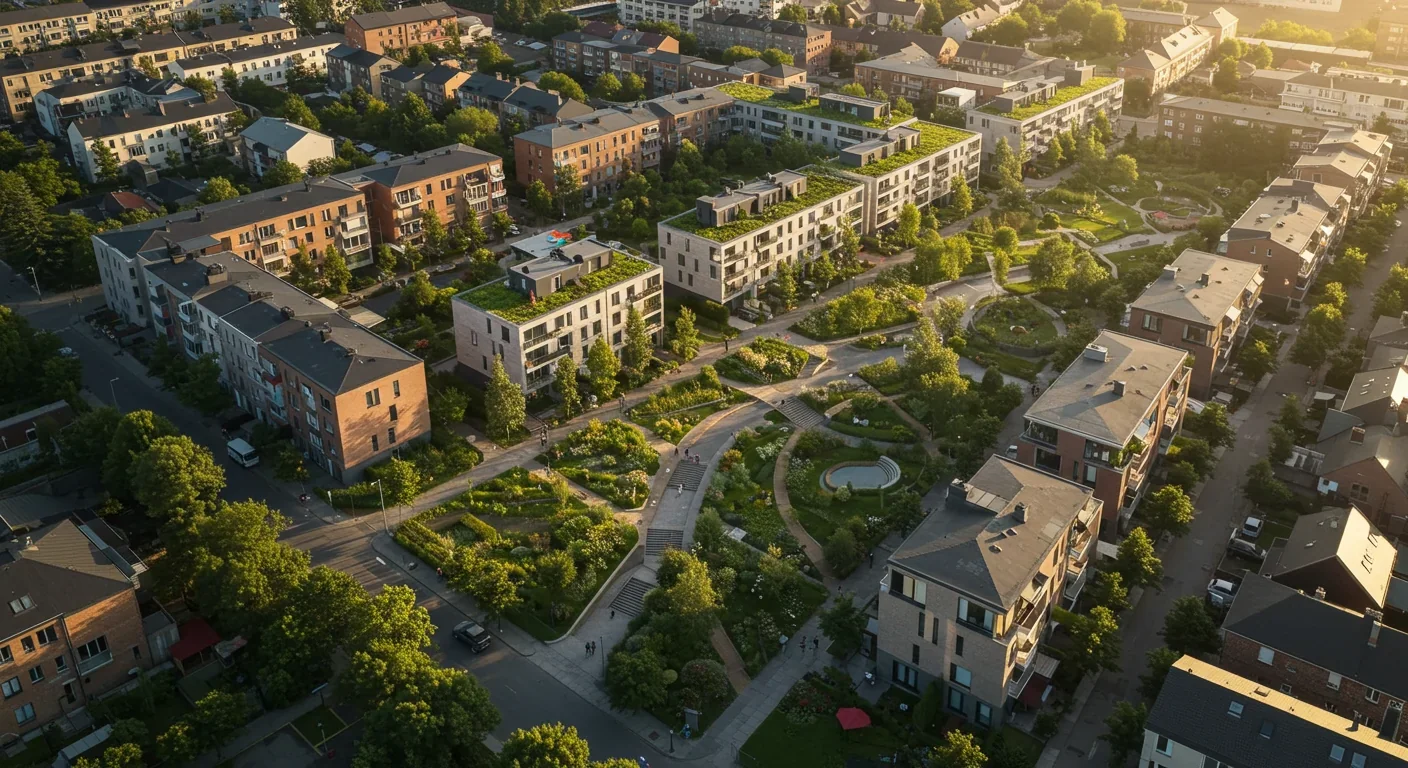
Automated systems in housing - mortgage lending, tenant screening, appraisals, and insurance - systematically discriminate against communities of color by using proxy variables like ZIP codes and credit scores that encode historical racism. While the Fair Housing Act outlawed explicit redlining decades ago, machine learning models trained on biased data reproduce the same patterns at scale. Solutions exist - algorithmic auditing, fairness-aware design, regulatory reform - but require prioritizing equ...


Performance Exhaustion: The Hidden Cost of Digital Life

Performance Exhaustion: The Hidden Cost of Digital Life

Performance exhaustion - the burnout from constantly curating idealized versions of ourselves across social media, work, and personal life - has become a hidden epidemic. Digital platforms collapsed the backstage, forcing perpetual self-presentation that depletes mental health, particularly affecting Gen Z and marginalized groups. Emerging resistance movements like digital minimalism and anti-hustle culture signal growing rejection of unsustainable performance demands.

Digital Sovereignty: Nations Wage War Over Internet Control

Digital Sovereignty: Nations Wage War Over Internet Control

Nations across the globe are rewriting internet rules through digital sovereignty policies - China's Great Firewall blocks millions of domains, Russia tests complete network isolation, India blacklists entire countries from data transfers, and the EU levies billions in fines against platforms. These invisible borders are fragmenting the once-unified internet into national territories, forcing businesses to build separate infrastructure for each market, costing the global economy billions, and g...

Four-Day Work Week: Iceland to Japan Global Revolution

Four-Day Work Week: Iceland to Japan Global Revolution

Iceland's groundbreaking four-day work week trial involving 2,500 workers has sparked a global movement, with 90% of the nation's workforce now working 35-36 hours while maintaining full pay and productivity. Countries from Japan to Brazil are experimenting with compressed schedules, discovering that reduced hours don't hurt output - they often increase it, while dramatically lowering burnout and boosting retention. Success requires genuine hour reduction (not just compression), outcome-based p...

Why Traditional Schooling Is Obsolete in 2025

Why Traditional Schooling Is Obsolete in 2025

Traditional schooling - built on seat-time, standardized tests, and one-size-fits-all instruction - is rapidly becoming obsolete as AI-driven personalized learning, microschools, homeschooling, and hybrid models demonstrate superior engagement and outcomes. While alternatives like competency-based curricula and adaptive platforms address fundamental deficiencies in conventional classrooms, challenges around equity, accountability, and data gaps remain. The question isn't whether education will tr...

Global Birth Rate Crisis: The Silent Collapse Reshaping

Global Birth Rate Crisis: The Silent Collapse Reshaping

Global birth rates are collapsing at unprecedented speed, with five of the world's ten largest countries now below replacement level. By 2050, Japan's working-age population will shrink 40%, while China faces a 147 trillion RMB pension deficit by 2050. The crisis stems from economic pressures, cultural shifts prioritizing careers over children, and high costs of housing and childcare. Solutions require addressing economic insecurity, promoting gender equity, reforming pensions, embracing immi...

Algorithmic Bias: How AI Quietly Discriminates in 2025

Algorithmic Bias: How AI Quietly Discriminates in 2025

AI systems don't just automate decisions - they automate discrimination at scale. From criminal justice algorithms that mislabel Black defendants at twice the rate of white defendants, to hiring tools that systematically reject women and older workers, algorithmic bias is America's invisible civil rights crisis. These systems inherit society's historical inequalities through biased training data, proxy variables, and feedback loops, then amplify them with mathematical precision. But change is p...

Remote Work Revolution: How Cities Are Adapting or Dying

Remote Work Revolution: How Cities Are Adapting or Dying

Remote work is permanently reshaping cities: suburban coworking hubs are booming (up 58% since 2023), urban office vacancy exceeds 30%, and transit agencies face a $6 billion shortfall. Secondary cities like Tulsa are attracting high-income remote workers with incentive programs yielding 4:1 returns, while major metros struggle with fiscal crises. The winners will be cities that invest in broadband, flexible zoning, and remote-worker incentives. The losers will cling to pre-pandemic assumptio...