Self-Tracking to Surveillance: Quantified Self's Fall

Self-Tracking to Surveillance: Quantified Self's Fall

The Authenticity Tax: How Being Yourself Became Labor

The Vacancy Paradox: Empty Homes and Homelessness

How Engagement Algorithms Turn Social Media Into Outrage

Data Dignity: Should You Own Your Personal Data?

The Great Log-Off: Why Millions Quit Social Media
TL;DR: Software updates have become a new form of planned obsolescence, deliberately degrading or disabling functional hardware to drive upgrade cycles, with major cases like Apple's Batterygate and HP printer bricking sparking legal battles and right-to-repair legislation worldwide.

Your phone didn't break. Your printer works fine. That washing machine could run for years. But here's the thing: a simple software update just decided they're all obsolete. Welcome to the new face of planned obsolescence, where the kill switch isn't a faulty component but a few lines of code deployed at 3 AM while you sleep.
Traditional planned obsolescence required manufacturers to engineer physical failures into products. Batteries designed to degrade, plastic gears where metal should be, capacitors rated for just enough cycles to outlast the warranty. It was wasteful, sure, but also expensive and increasingly obvious to consumers. Why bother with all that when you can just push an update?
The shift from hardware to software obsolescence represents one of the most significant power transfers in consumer technology history. When you bought a toaster in 1985, you owned it completely. When you buy a smart appliance today, you're licensing the software that makes it work. And that license can be revoked, modified, or weaponized to make your purchase worthless.
The most notorious case remains Apple's "Batterygate" scandal, where iOS updates deliberately throttled older iPhone models. Geekbench benchmarks showed performance drops of 20-70% after updates to iOS 10.2.1 and iOS 11.2 on iPhone 6 and 7 models. Apple claimed this prevented unexpected shutdowns due to aging batteries, a technical justification that conveniently encouraged millions to upgrade rather than replace a $29 battery.
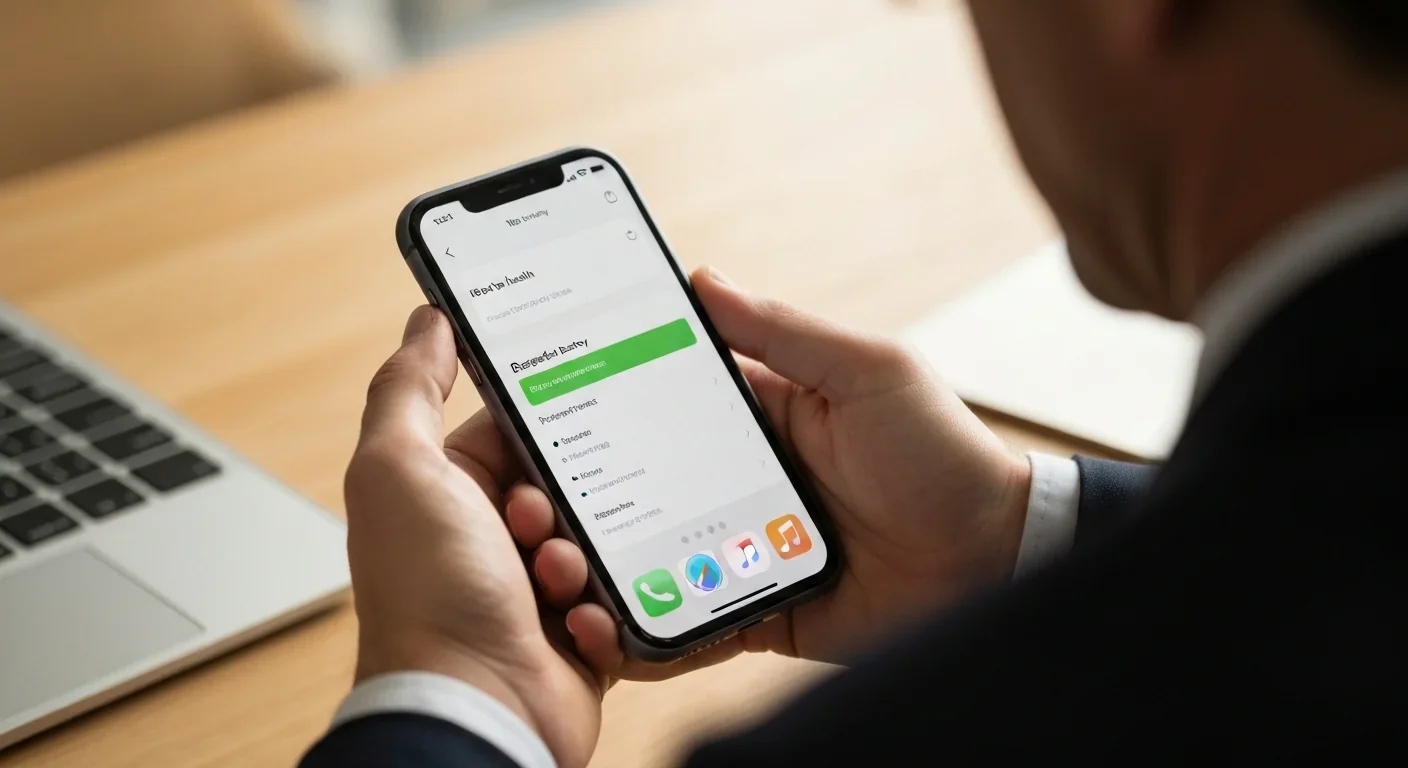
The backlash was severe. Apple settled a U.S. class-action lawsuit for $500 million without admitting wrongdoing. French consumer authorities fined them €25 million. On January 23, 2025, the UK Competition Appeal Tribunal granted a Collective Proceedings Order, allowing a case potentially worth £853 million to proceed. Apple maintains they never intended to shorten device life or force upgrades.
An FTC report found that 89% of smart products fail to disclose how long they'll receive software updates, leaving consumers gambling on whether their purchase will work in two years or ten.
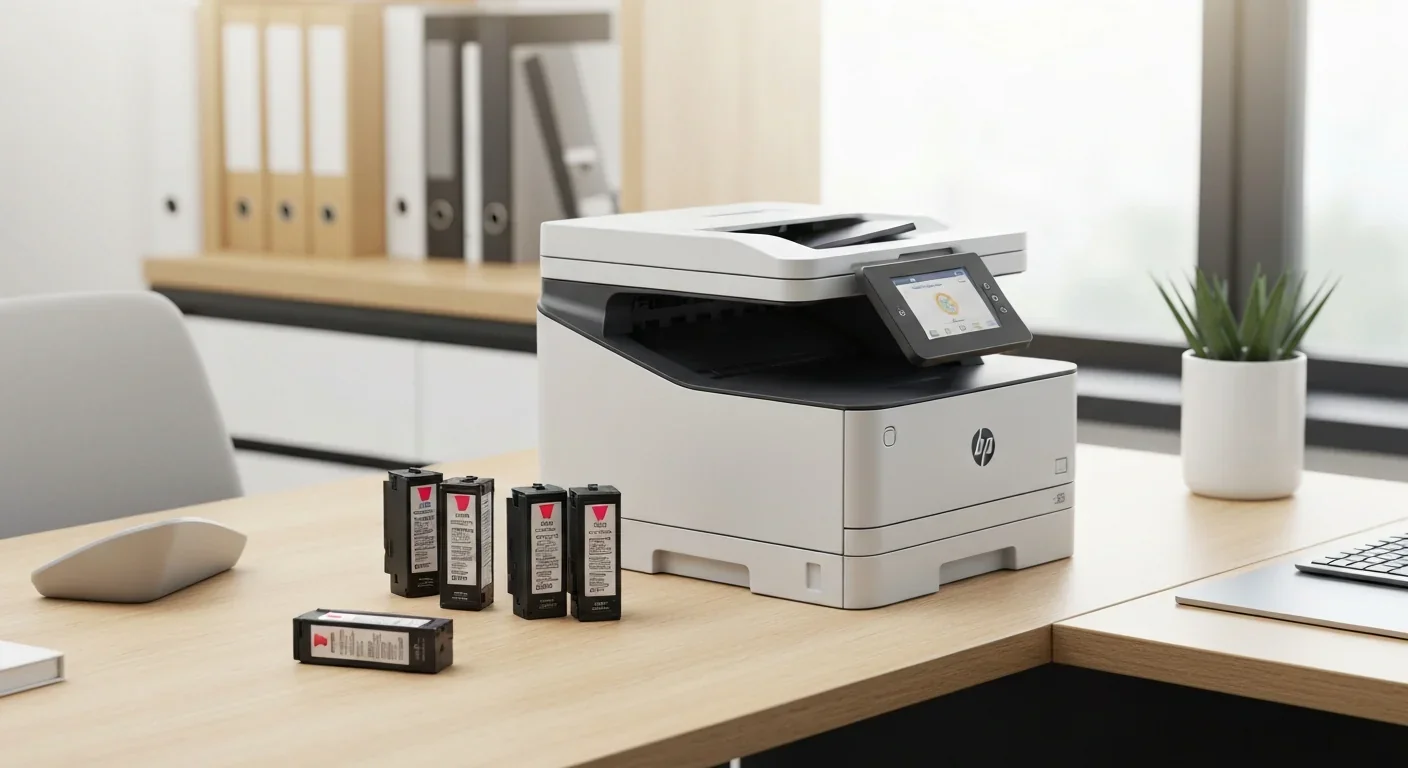
But Apple isn't alone. HP printers started refusing third-party ink cartridges after firmware updates, sometimes bricking entirely functional devices. Samsung 990 PRO SSDs experienced documented performance degradation after firmware update 7B2QJXD7, with SMART diagnostic logs showing suspicious doubling of power-on hours, suggesting either firmware mis-logging or intentional manipulation of diagnostic data.
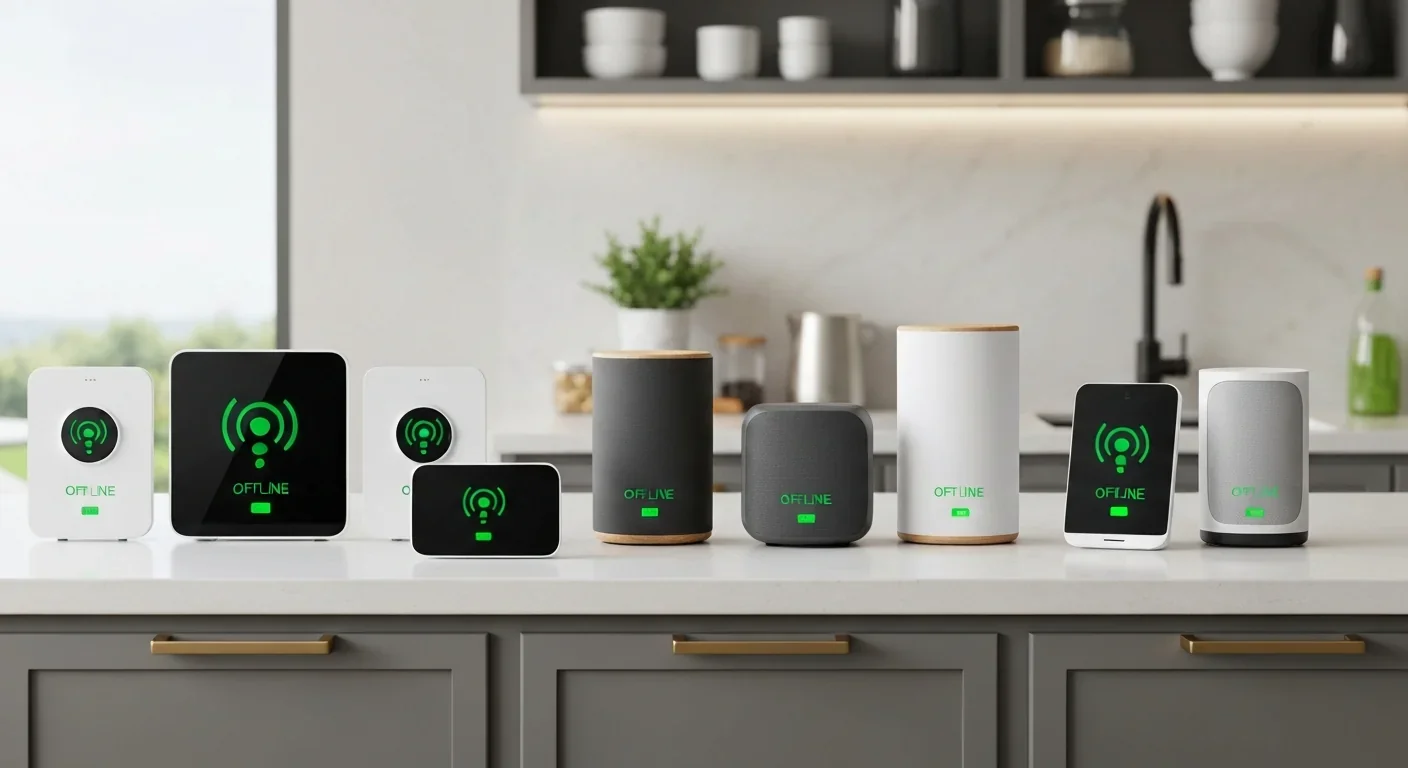
Smart home devices face an even bleaker fate. Wemo announced in January 2024 it would shut down older smart devices entirely through server-side changes. Google ended support for first and second-generation Nest thermostats by October 2024, rendering $200+ thermostats into wall decorations. These aren't failures. They're executions.
Performance throttling is the most common mechanism. Operating systems monitor hardware metrics like battery health, thermal conditions, or processing load, then deliberately reduce CPU clock speeds, limit background processes, or restrict feature access. Apple's implementation in iOS 10.2.1 pioneered this approach, creating a template others have followed.
Feature removal through updates is another favorite tactic. A smart speaker loses multi-room audio. A camera's best resolution becomes "unsupported." These features worked yesterday; the hardware hasn't changed. But the software controlling access has been modified server-side, and you have no recourse.
The most aggressive approach is server dependency termination. Modern smart devices often require constant connection to manufacturer servers for basic functionality. When those servers shut down, perfectly functional hardware becomes useless. You bought the device, but the manufacturer retained the power to kill it remotely. Bambu Labs briefly threatened to brick 3D printers not running the latest software, sparking outrage before they reversed course.
"I strongly believe that no consumer should have to choose between having update or losing access to their purchased hardware."
- Consumer advocacy position, Reddit r/changemyview
Forced update cycles complete the picture. Refuse the update, lose functionality. Accept the update, get degraded performance or removed features. It's a choice between slow death and immediate harm. An FTC report found that 89% of smart products fail to disclose how long they'll receive software updates, leaving consumers gambling on whether their purchase will work in two years or ten.
The economics are brutally simple. Hardware sales generate one-time revenue. Recurring revenue from new device purchases, subscription services, and proprietary accessory sales creates predictable, growing income streams that Wall Street rewards. A company that sells you a washing machine you'll use for 20 years gets one payday. A company that sells you three washing machines over that same period triples revenue.
Software obsolescence costs manufacturers almost nothing to implement. A firmware update requires no retooling, no supply chain changes, no inventory risk. It's pure margin optimization dressed up as "improved user experience" or "security enhancements." The update that throttles your phone cost Apple pennies to develop and deploy but drove billions in iPhone sales.
The printer industry perfected this model decades ago: sell the hardware cheap, lock customers into expensive proprietary consumables. HP's firmware updates blocking third-party ink cartridges are just the digital evolution of that strategy. The settlement avoided monetary damages but established no precedent preventing future similar actions.
Subscription models amplify these incentives. When revenue depends on customers staying in an ecosystem, manufacturers have enormous incentive to make older devices incompatible with new services or degrade their performance until upgrading feels mandatory. It's not a conspiracy, it's a fiduciary duty to shareholders. And it's perfectly legal in most jurisdictions.
Legal frameworks are finally catching up, though unevenly. The Magnuson-Moss Warranty Act in the United States requires clear warranty disclosure, which potentially covers software support duration. The FTC Act prohibits deceptive practices, and lawyers argue that failing to disclose planned software obsolescence qualifies as deception.
Europe has moved more aggressively. Under India's Consumer Protection Act 2019, Section 2(10), a software update causing hardware damage is considered a defect, giving consumers legal recourse. The EU's proposed Ecodesign for Sustainable Products Regulation would mandate minimum software support periods and require manufacturers to provide security updates for a product's reasonable lifespan.
UK right-to-repair rules could reduce 17.5 billion tonnes of electrical waste each year by extending product lifespan by up to 10 years through stopping manufacturers from deliberately shortening hardware life through software.
The real battleground is right-to-repair legislation incorporating software provisions. Oregon's 2025 parts-pairing ban, effective January 1, 2025, prohibits manufacturers from requiring proprietary approvals for replacement parts. California's Right to Repair Act requires manufacturers to provide hardware repair documentation and software for 3 to 7 years depending on product price.
These laws mandate that manufacturers provide diagnostic tools and firmware access to independent repair providers and consumers for the entire product lifespan. Right-to-repair laws require OEMs to provide all firmware necessary for device restoration without cost to the owner. OEMs must sell diagnostic software and proprietary physical repair tools on fair and reasonable terms.
The FTC's 2021 "Nixing the Fix" report found no empirical evidence supporting manufacturers' claims that independent repairs pose safety or cybersecurity risks, undermining a key industry defense against right-to-repair legislation.

E-waste is the fastest-growing waste stream globally, and software obsolescence accelerates it dramatically. When devices fail mechanically, they can sometimes be repaired. When they're killed by software, repair becomes impossible. The hardware is fine, but the code required to operate it is denied.
UK right-to-repair rules could reduce 17.5 billion tonnes of electrical waste each year by extending product lifespan by up to 10 years. That's not a projection about making better hardware; it's about stopping manufacturers from deliberately shortening the useful life of existing hardware through software.
Every iPhone throttled into perceived obsolescence, every HP printer bricked for using third-party ink, every Nest thermostat remotely disabled represents perfectly functional hardware sent to landfills. These devices contain rare earth elements, require energy-intensive manufacturing, and generate toxic waste during disposal. Software obsolescence transforms environmental harm into a quarterly business strategy.
The circular economy can't function when manufacturers retain the power to remotely disable products. Repair and refurbishment markets depend on predictable hardware longevity. When a software update can brick an entire product line overnight, these secondary markets collapse. The economic and environmental benefits of keeping electronics in use longer evaporate.
Consumer pushback is intensifying. The right-to-repair movement, once focused on physical access to hardware, now centers on software freedom. Farmers discovered John Deere tractors required proprietary software for even basic maintenance, locking them out of repairing equipment they owned. The backlash helped drive right-to-repair legislation across multiple states.
"Apple has never, nor would ever do anything to intentionally shorten the life of any Apple product, or degrade the user experience to drive customer upgrades."
- Apple statement to CNET, 2017
iFixit and other repair advocates argue that if you bought it, you should be able to fix it, modify it, and keep it running as long as the hardware allows. Software locks that prevent this are digital-age theft, extracting ongoing payments for products already purchased.
Some manufacturers are responding to pressure. Samsung now offers 7-year software support for mid-range devices like the Galaxy A56, A36, Tab A11, and Tab A11 Plus, with monthly security patches for 42 Galaxy models. Apple, post-Batterygate, added battery health indicators in iOS 11.3 and allowed users to disable performance throttling, though the damage to trust was done.
Open-source alternatives and custom firmware communities offer escape routes for technical users. LineageOS extends Android device life years beyond manufacturer support. OpenWrt keeps routers functional long after vendors abandon them. But these solutions require expertise most consumers don't have and sometimes void warranties or violate terms of service.
The fundamental question is ownership. When you buy a device, do you own it or are you leasing it at the manufacturer's pleasure? Software obsolescence tips the answer toward the latter, and consumers are increasingly unwilling to accept that bargain.
Manufacturers defend aggressive update policies by citing security. Older software has vulnerabilities. Unsupported devices become malware vectors. Forcing updates protects users and the broader internet ecosystem. There's truth here, but it's not the whole truth.
Security updates don't require removing features or degrading performance. They can be delivered without forced obsolescence. Manufacturers conflate necessary security patches with profitable forced upgrades. When Microsoft's Windows 10 Extended Security Updates program charges consumers for continued security patches after October 2025, it's hard to see this as anything but ransom. Pay up or become vulnerable.
The FTC's finding that independent repairs pose no inherent security risk undermines claims that manufacturer control is necessary for safety. Security can be maintained without giving manufacturers perpetual power to brick devices. Separating security updates from feature changes would solve this, but it would also eliminate a powerful tool for driving upgrade cycles.
Some companies demonstrate this is possible. Long-term support (LTS) versions of Linux distributions receive security updates for a decade without forced feature changes. Industrial control systems get security patches for decades-old hardware. Consumer electronics could adopt similar models, but there's no profit incentive to do so.
Technology's trajectory points toward more software dependence, not less. Cars are becoming computers with wheels. Home appliances connect to cloud services. Medical devices require app connectivity. Every additional software layer creates another opportunity for manufacturers to remotely control product lifespan.
5G and IoT expansion will intensify this dynamic. More devices online means more devices vulnerable to remote obsolescence. The smart home of 2030 could be a subscription nightmare where every appliance requires ongoing payments to function, or a consumer rights victory where ownership includes guaranteed software support for a product's reasonable lifespan.
The legal landscape is shifting. More states are passing right-to-repair laws. The EU is implementing stronger consumer protection. But manufacturers adapt quickly, finding new ways to lock down hardware or restructure sales as service licenses rather than purchases. The cat-and-mouse game between regulation and evasion is accelerating.
The technology exists to build devices that last decades with proper maintenance. The only question is whether we'll demand it.
Consumer awareness is the wild card. Most people don't understand how software updates affect device longevity. They blame themselves when phones slow down or assume devices naturally become obsolete. As cases like Batterygate become more visible and more people realize their devices are being deliberately degraded, political pressure for reform will grow.
Until regulation catches up, consumer choices matter. Before buying smart devices, research manufacturer track records on software support. How long do they typically support products? Do they have a history of removing features or degrading performance? Online communities track this information; use it.
Favor devices with open standards and minimal cloud dependence. A washing machine that requires internet connectivity for basic functions is a washing machine that can be remotely disabled. Local control means continued functionality regardless of manufacturer support.
Support right-to-repair legislation and companies that embrace repair culture. Vote with your wallet for manufacturers offering long-term software support and transparent update policies. Samsung's 7-year commitment and Apple's post-Batterygate transparency improvements came from consumer pressure, not corporate benevolence.
Consider the total cost of ownership, including expected software support duration, when making purchase decisions. A cheaper device that's obsolete in two years costs more than a premium device supported for seven. Manufacturers will extend support when consumers demand it as a purchasing criterion.
Document everything. If an update degrades your device, preserve evidence. Screenshots, benchmarks, timestamped complaints build the record needed for class-action lawsuits and regulatory investigations. Apple paid out $500 million because users documented the throttling behavior and demanded accountability.
Software obsolescence represents a fundamental shift in the relationship between consumers and manufacturers. The company that sold you a product retains the power to remotely diminish or destroy its value years after purchase. No other industry operates this way. Car manufacturers can't remotely disable your 10-year-old vehicle. Appliance makers can't push an update that makes your refrigerator run warmer.
But in the digital realm, this power is routine, normalized, and largely unchallenged. Every forced update, every removed feature, every throttled processor represents manufacturers asserting ownership over products consumers thought they bought.
The coming decade will determine whether consumers successfully reclaim digital ownership through legislation and market pressure, or whether the subscription-and-obsolescence model becomes the permanent reality for all electronics. The technology exists to build devices that last decades with proper maintenance. The only question is whether we'll demand it.
Your phone didn't break. It was broken for you. Whether that continues is up to us.

Project Orion was a real 1960s program to reach other stars by detonating 800 nuclear bombs behind a spacecraft. The physics worked and the engineering was feasible, but the 1963 nuclear test ban treaty killed it. It remains the most credible interstellar spacecraft ever designed.

The locus coeruleus, a tiny brainstem structure, degenerates decades before Alzheimer's symptoms appear. Its loss cripples the brain's inflammation control, waste clearance, and sleep regulation. New imaging tools and noradrenergic therapies offer hope for early detection and prevention.
Research shows the sharing economy often increases total resource consumption through the Jevons paradox and rebound effects. Ride-sharing adds billions of vehicle miles, co-working spaces use more energy per worker, and diffused responsibility erodes conservation behavior. Breaking the paradox requires congestion pricing, accountability design, and matching sharing models to appropriate resource types.

Psychological reactance theory explains why banning or restricting things makes people want them more. From Prohibition to the Streisand effect to scarcity marketing, research shows that threatening people's freedom reliably backfires, and autonomy-supportive communication is far more effective.

A carnivorous pitcher plant in Borneo evolved to house bats instead of trapping insects, gaining up to 95% of its nitrogen from bat guano. The plant even built an ultrasonic reflector to help bats find it, revealing that carnivory in plants is a flexible spectrum.
The quantified self movement began as a hacker-ethos pursuit of personal insight, but corporate wearables now funnel biometric data to employers, insurers, and data brokers. With 81% of Americans wrongly believing health apps are HIPAA-protected, a regulatory void enables health data to be sold for pennies while generating anxiety instead of empowerment.

CXL memory pooling lets servers dynamically share DRAM over a cache-coherent interconnect, eliminating the 40% stranded memory waste in data centers. With commercial hardware now shipping and Azure deploying CXL cloud instances, this technology promises to cut memory costs by 50% while enabling composable infrastructure.

Loading featured articles...