Self-Tracking to Surveillance: Quantified Self's Fall

Self-Tracking to Surveillance: Quantified Self's Fall

The Authenticity Tax: How Being Yourself Became Labor

The Vacancy Paradox: Empty Homes and Homelessness

How Engagement Algorithms Turn Social Media Into Outrage

Data Dignity: Should You Own Your Personal Data?

The Great Log-Off: Why Millions Quit Social Media
TL;DR: Performance exhaustion - the burnout from constantly curating idealized versions of ourselves across social media, work, and personal life - has become a hidden epidemic. Digital platforms collapsed the backstage, forcing perpetual self-presentation that depletes mental health, particularly affecting Gen Z and marginalized groups. Emerging resistance movements like digital minimalism and anti-hustle culture signal growing rejection of unsustainable performance demands.

You wake up, grab your phone, and before your coffee even brews, you're already performing. A perfectly filtered sunrise photo for Instagram. A thoughtfully crafted LinkedIn post about your morning productivity routine. A carefully worded Slack message that strikes just the right balance between professional and personable. By 9 AM, you've already curated three different versions of yourself, and you haven't even started your actual work yet. Welcome to performance exhaustion, the hidden epidemic that's burning out an entire generation.
Back in 1959, sociologist Erving Goffman introduced a revolutionary concept: we're all actors on a stage, constantly managing how others perceive us. He called it dramaturgical theory, distinguishing between "frontstage" behavior (the curated performance we show others) and "backstage" (our authentic, unguarded selves). But here's what Goffman couldn't have predicted: what happens when the backstage disappears entirely?
In Goffman's era, you could clock out, close the door, and drop the performance. The backstage was a refuge. Today, digital technology has collapsed that boundary. Your LinkedIn profile never sleeps. Your Instagram stories demand constant updates. Even working from home, you're performing for the camera on Zoom calls, curating your bookshelf backdrop and perfecting your on-screen presence.
We're living in what philosopher Judith Butler might call a state of perpetual performativity. Butler's work on gender theory revealed something profound: identity isn't something you are, it's something you do. Through repeated performances, we construct who we are. But when those performances never stop, when every moment demands curation, we don't construct identity anymore. We exhaust it.
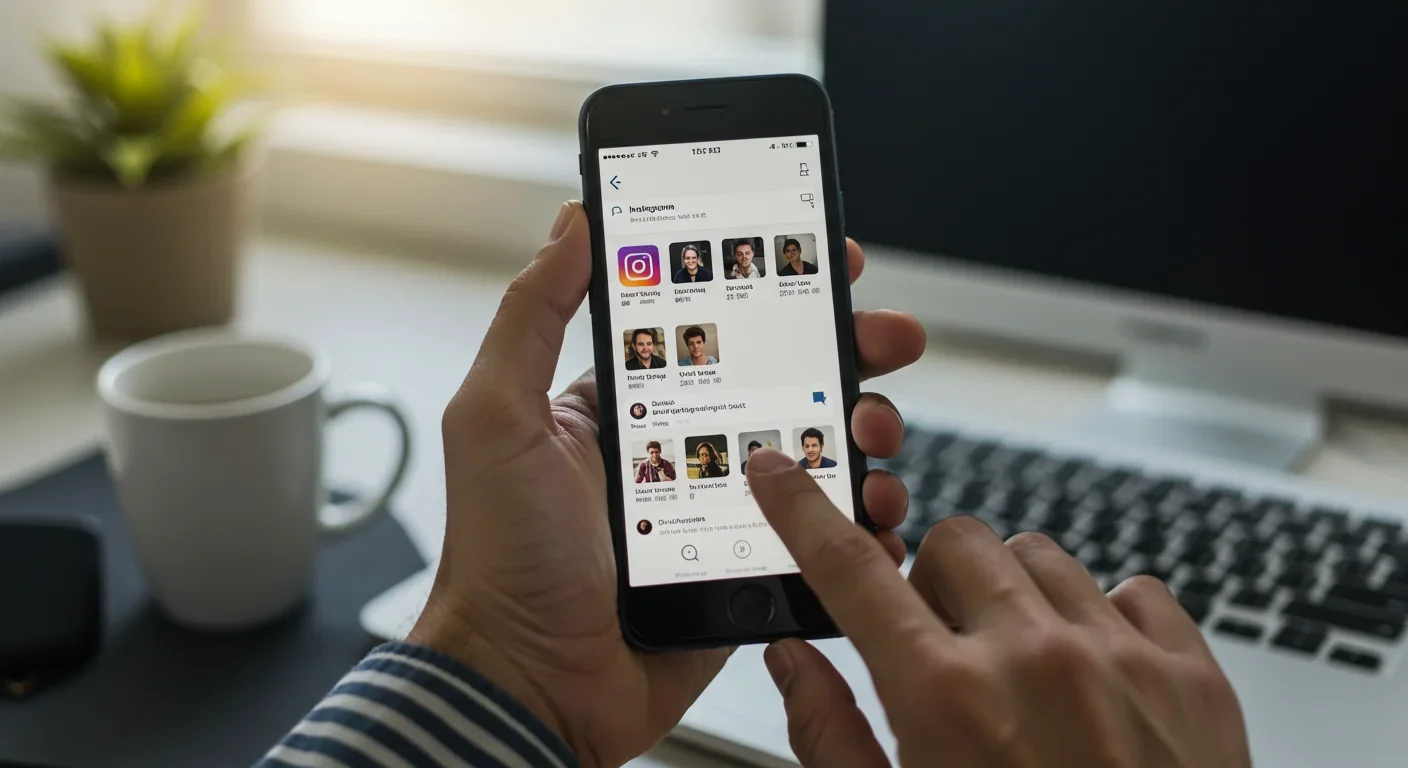
Social media didn't invent self-presentation, but it turned the volume to eleven. Every platform operates as a performance space with its own unwritten rules. Instagram rewards aesthetic perfection. LinkedIn demands inspirational hustle. Twitter (or X, or whatever we're calling it this week) wants hot takes delivered with just the right mix of confidence and humility.
The numbers tell a stark story. Studies consistently link heavy social media use to increased depression, anxiety, and feelings of inadequacy. Adolescents and young adults face particular vulnerability, with research showing significant mental health impacts from constant social comparison and the pressure to maintain an online presence.
But it's not just the comparison trap. It's the sheer cognitive load of maintaining multiple personas across platforms. You're simultaneously managing your professional brand, your social connections, your creative identity, and your personal life, each requiring different performance strategies. Content creators speak openly about the burnout: "You can't pause the internet."
The algorithm makes it worse. Platforms reward consistent performance, punishing those who take breaks or post inconsistently. Your carefully built audience disappears if you stop feeding the machine. What started as a fun way to share moments becomes a second job, one you can never quit.
If social media is the opening act, modern workplace culture is the main event. Professional burnout has reached crisis levels, driven partly by the escalating demands of professional self-presentation.
Personal branding has moved from optional to mandatory. Executives now say that digital personal branding matters more than traditional résumés in hiring decisions. Forbes declares personal branding "non-negotiable for leaders". The message is clear: if you're not constantly broadcasting your professional achievements, you're falling behind.
This creates what sociologist Arlie Hochschild identified as "emotional labor," the work of managing your feelings and expressions to fulfill job requirements. But today's emotional labor extends far beyond customer service. Every Slack message requires emotional calibration. Every video call demands energy management. Every email needs just the right tone.
Remote work amplified these demands. The boundary between work and life blurred, and with it, the distinction between professional performance and personal existence. You're never fully off stage because the stage is now your living room.
Factors driving professional burnout now include not just workload, but the exhausting work of self-promotion, network maintenance, and constant professional visibility. You're not just doing your job; you're performing the role of someone who does your job, and that performance never ends.
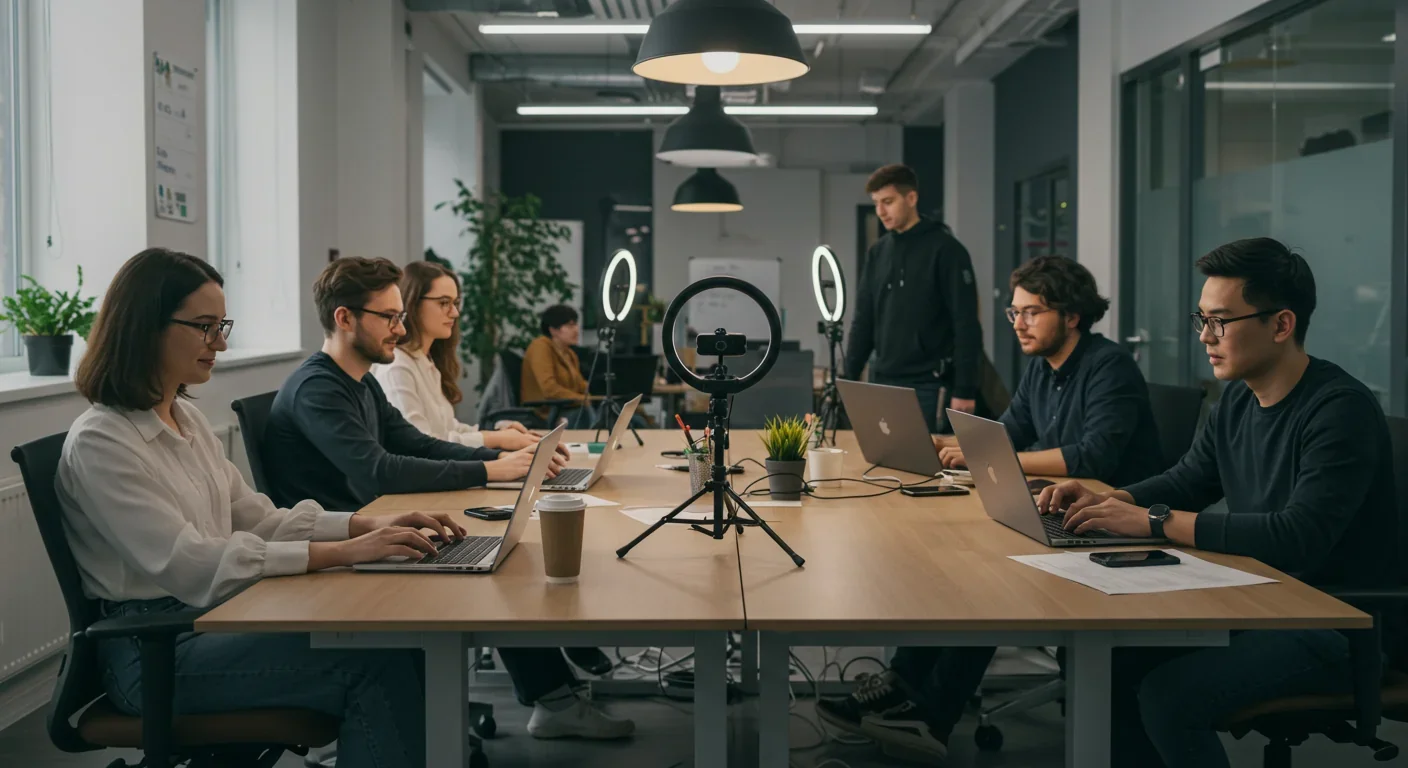
Here's where it gets truly bizarre: the solution to performance exhaustion became another performance. Brands and influencers started preaching "authenticity" as the antidote to overly curated content. "Just be yourself!" they said. "Show your real life!"
So people started performing authenticity. Perfectly imperfect Instagram posts with carefully casual aesthetics. Vulnerable LinkedIn posts that somehow still advance your professional brand. "Real talk" videos shot from precisely the right angle with optimal lighting.
"When your personality becomes your product, where does the person end and the brand begin?"
- Contemporary cultural critics on personal branding
The paradox is that authenticity itself became a strategic choice, a calculated move in the performance game. When being "real" serves your brand, is it still real? When vulnerability attracts followers, is it still vulnerable? We've reached a strange place where even our spontaneity is curated.
Personal branding experts acknowledge this tension, recognizing that building a brand without losing yourself is genuinely challenging. Some critics go further, calling the entire concept fundamentally problematic. When your personality becomes your product, where does the person end and the brand begin?
The irony isn't lost on anyone paying attention. We created authenticity as an escape route from performance exhaustion, then turned that escape route into yet another exhausting performance.
Performance exhaustion isn't just metaphorical tiredness. It manifests in measurable psychological distress. Research on social media's impact on wellbeing identifies ten distinct warning signs, from comparison anxiety to fear of missing out to the compulsive need to document experiences rather than live them.
Perfectionism shapes our digital identities in particularly toxic ways. The curated nature of social platforms creates unrealistic standards, and attempting to meet those standards feeds anxiety and depression. It's a vicious cycle: the more exhausted we feel, the more we compare ourselves to others' highlight reels, which deepens our exhaustion.
The concept of media fatigue captures something essential: the weariness that comes from constant media engagement. But performance exhaustion goes deeper. It's not just consuming media that tires us; it's the unrelenting demand to produce it, to be constantly creating content about our lives instead of simply living them.
Hidden costs of emotional labor include depleted cognitive resources, decreased genuine emotional expression, and a disconnection from one's authentic feelings. When you're constantly managing your emotional presentation, you lose touch with what you actually feel.
The impact extends beyond individual distress. Studies show that the pressure of impression management on social media particularly affects young people, who are still developing their identities while navigating intense performance demands.

Gen Z faces unique challenges. Having grown up with social media, they never knew a world without performance pressure. The workplace they're entering demands different skills than previous generations faced, including constant digital presence and personal brand management from day one.
Yet generational workplace differences reveal varied struggles. Millennials pioneered the personal brand economy but now face burnout from maintaining it for over a decade. Gen X watches their career advancement increasingly depend on mastering digital performance they didn't train for. Boomers navigate retirement while managing legacy and online reputation.
Introverts face particular challenges. Personal branding feels fundamentally at odds with introverted nature, creating additional exhaustion for those who recharge through solitude and authenticity rather than performance and visibility.
Women and marginalized communities often bear disproportionate burden. The emotional labor of constant self-presentation compounds existing workplace inequities. Managing not just your professional image but also navigating stereotype threat, proving credibility, and countering bias adds layers of exhausting performance.
Social media influencers experience burnout when performance demands exceed their authentic passion. What started as genuine enthusiasm becomes an exhausting obligation once your livelihood depends on constant content creation.
Performance culture didn't emerge spontaneously. It's driven by powerful economic forces that profit from our exhaustion.
The attention economy fundamentally restructured how value is created. Your attention is the product, and platforms compete fiercely for it. But they're not just competing for your passive consumption; they want you actively producing content, performing for others, keeping the engagement machine running.
The gig economy amplified these pressures. When everyone's a freelancer, everyone's a brand. Your next job, your next client, your next opportunity depends on your visibility, your network, your performance. Economic precarity turns self-presentation from a choice into a survival strategy.
Tech platforms designed their systems to encourage constant engagement. Notification systems, algorithmic feeds, engagement metrics - all engineered to keep you performing. The more you post, the more others see your content. Stop performing, and you disappear.
The creator economy promised freedom and self-determination but delivered new forms of precarity. Content creators describe impossible demands: constant output, algorithm changes that tank your reach overnight, audience expectations that escalate continuously. You're always one pause away from irrelevance.
These economic structures create a collective action problem. Individually, we might want to stop performing. But when performance is economically necessary, opting out means falling behind. We're trapped in a system where everyone's exhausted but no one can afford to rest.

Recognizing the unsustainability of performance culture, various resistance movements have emerged.
Digital minimalism gained traction as people sought escape routes. AI-driven digital minimalism tools represent the latest wave, using technology to solve problems technology created. The irony isn't subtle, but the approach offers practical help for those drowning in digital demands.
Minimalism's growing popularity reflects broader cultural shifts. People are choosing less - less stuff, less social media, less performance - because more has proven exhausting rather than fulfilling.
The anti-hustle movement directly challenges productivity culture. Living rich slowly prioritizes wellbeing over perpetual striving, presence over performance, being over broadcasting. It's a radical rejection of the idea that your value comes from your visible productivity.
Social media burnout tips have become common, acknowledging the problem even within the industry that created it. Strategies include setting boundaries, scheduling offline time, curating feeds more carefully, and recognizing when social platforms stop serving you.
"The path forward requires recognizing that performance exhaustion isn't an individual failing. You're not burned out because you're weak or lack resilience. You're burned out because the systems you operate within demand unsustainable performance."
- Mental health researchers on systemic burnout
Lifestyle trends for 2025 suggest growing emphasis on mental health, authentic connection, and digital wellness. The conversation is shifting from "how to perform better" to "whether to perform at all."
Some are taking more drastic approaches: deleting social media entirely, leaving toxic workplace cultures, choosing career paths with less visibility demands. These individual choices, while not accessible to everyone, signal broader dissatisfaction with performance culture.
Academic research provides useful frameworks for understanding performance exhaustion.
Self-presentation theory explains the fundamental human tendency to manage impressions. We've always engaged in strategic self-presentation, but digital platforms multiplied the contexts and audiences, overwhelming our capacity for effective management.
Research on impression management efficacy shows that Chinese youth on social media develop specific skills for navigating performance demands. These adaptation strategies reveal both human resilience and the normalization of exhausting performance requirements.
Burnout research has traditionally focused on workplace contexts, but contemporary understanding recognizes burnout extends beyond professional settings. The phenomenon pervades multiple life domains when performance becomes omnipresent.
Even specialized populations experience burnout through performance pressure. Athlete burnout studies and research on university counselors reveal how performance demands cross contexts, affecting people in very different circumstances through similar mechanisms.
The theoretical consensus points toward a fundamental mismatch: humans didn't evolve for constant performance across multiple audiences in perpetual documentation mode. Our psychological systems lack the capacity for this level of sustained self-monitoring and curation.
Performance exhaustion has reached a tipping point. The question isn't whether the current system is sustainable - clearly it's not. The question is what replaces it.
Some envision technological solutions: better platform design, ethical algorithms, digital wellness features built into the systems making us sick. These approaches treat performance exhaustion as a design problem requiring better engineering.
Others advocate structural change: regulating tech platforms, restructuring workplace culture, redefining professional success beyond visibility metrics. These approaches recognize performance exhaustion as a systemic problem requiring policy intervention.
Still others pursue cultural transformation: shifting values away from productivity and performance toward presence and authenticity, redefining what it means to live well in a connected world. These approaches see performance exhaustion as a meaning crisis requiring philosophical reorientation.
Realistically, we'll need all three. Technology that respects human limitations. Structures that don't force constant performance. Culture that values being over broadcasting.
Digital phenotyping research shows we can use smartphone data to monitor mental health, potentially identifying performance exhaustion before it becomes crisis. But that same technology could enable even more surveillance and performance pressure. The tools are neutral; the application determines outcomes.
Real solutions require collective action. Individuals setting boundaries helps, but systemic change happens when enough people reject unsustainable expectations simultaneously. When companies can't find employees willing to maintain constant digital presence. When platforms lose users tired of performing. When we collectively decide we're done with the exhausting theater of perpetual curation.
The path forward requires recognizing that performance exhaustion isn't an individual failing. You're not burned out because you're weak or lack resilience. You're burned out because the systems you operate within demand unsustainable performance.
Goffman's dramaturgical theory offered one insight we've forgotten: everyone needs a backstage. Not a performed version of backstage, not an Instagrammable "authentic moment," but genuine privacy where no one's watching and you don't have to manage anyone's impression of you.
What would it mean to truly reclaim backstage space in our lives? Maybe it's leaving your phone in another room sometimes. Maybe it's conversations with no documentation. Maybe it's pursuing hobbies you never post about. Maybe it's simply existing without broadcasting that existence.
The radical act in performance culture isn't better curation or more authentic posting. It's refusing to perform at all, at least sometimes, at least somewhere. It's recognizing that not everything requires an audience, that you can experience things without sharing them, that your value isn't determined by your visibility.
Performance exhaustion will continue until we collectively demand a different way of being. That demand starts with acknowledging what we've lost in the shift from living to performing, from being to branding, from existing to curating. It continues with small acts of resistance: the unposted photo, the offline afternoon, the moment you choose presence over performance.
You don't have to perform your way out of performance exhaustion. You just have to stop, rest, and remember that you exist beyond your performances. The person you are when nobody's watching? That's not your backstage persona. That's just you. And you're enough, even when you're not performing at all.
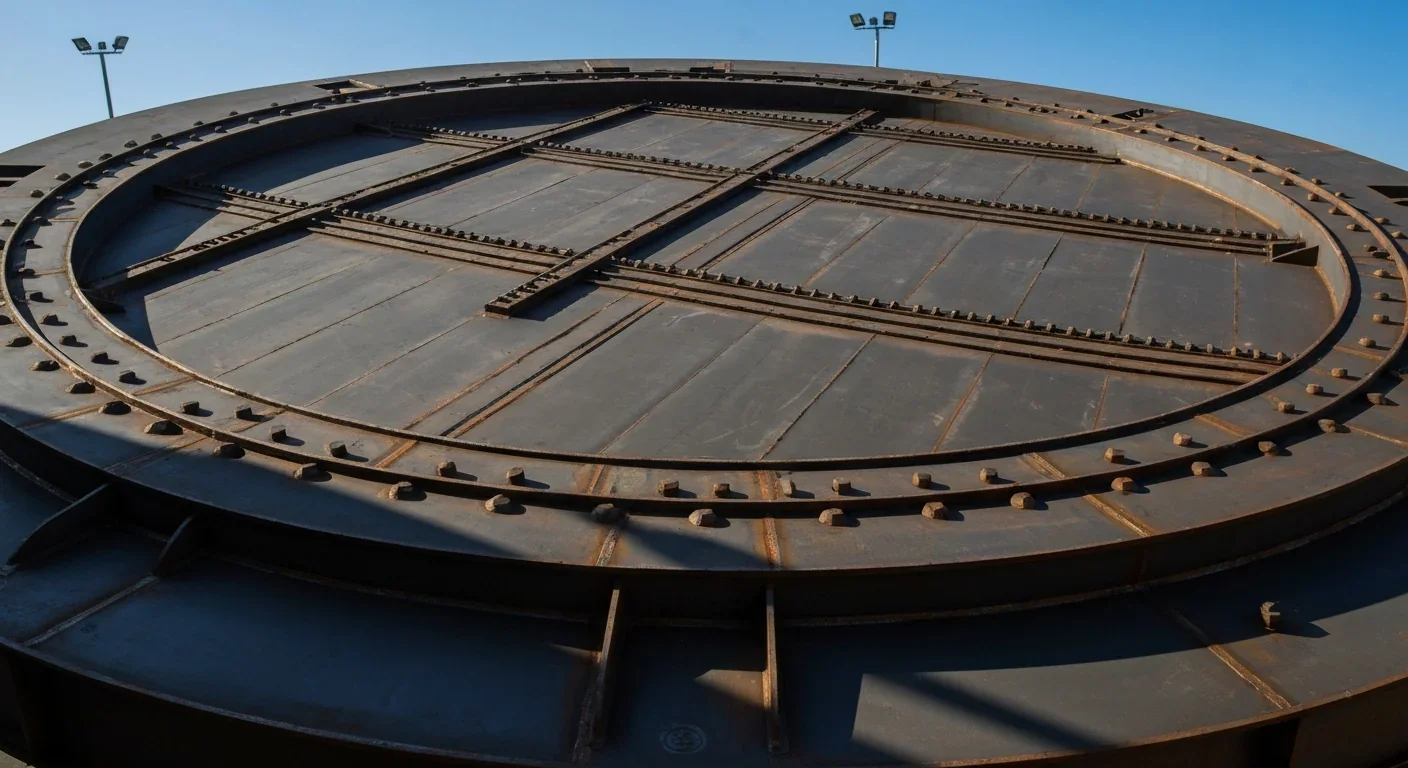
Project Orion was a real 1960s program to reach other stars by detonating 800 nuclear bombs behind a spacecraft. The physics worked and the engineering was feasible, but the 1963 nuclear test ban treaty killed it. It remains the most credible interstellar spacecraft ever designed.

The locus coeruleus, a tiny brainstem structure, degenerates decades before Alzheimer's symptoms appear. Its loss cripples the brain's inflammation control, waste clearance, and sleep regulation. New imaging tools and noradrenergic therapies offer hope for early detection and prevention.
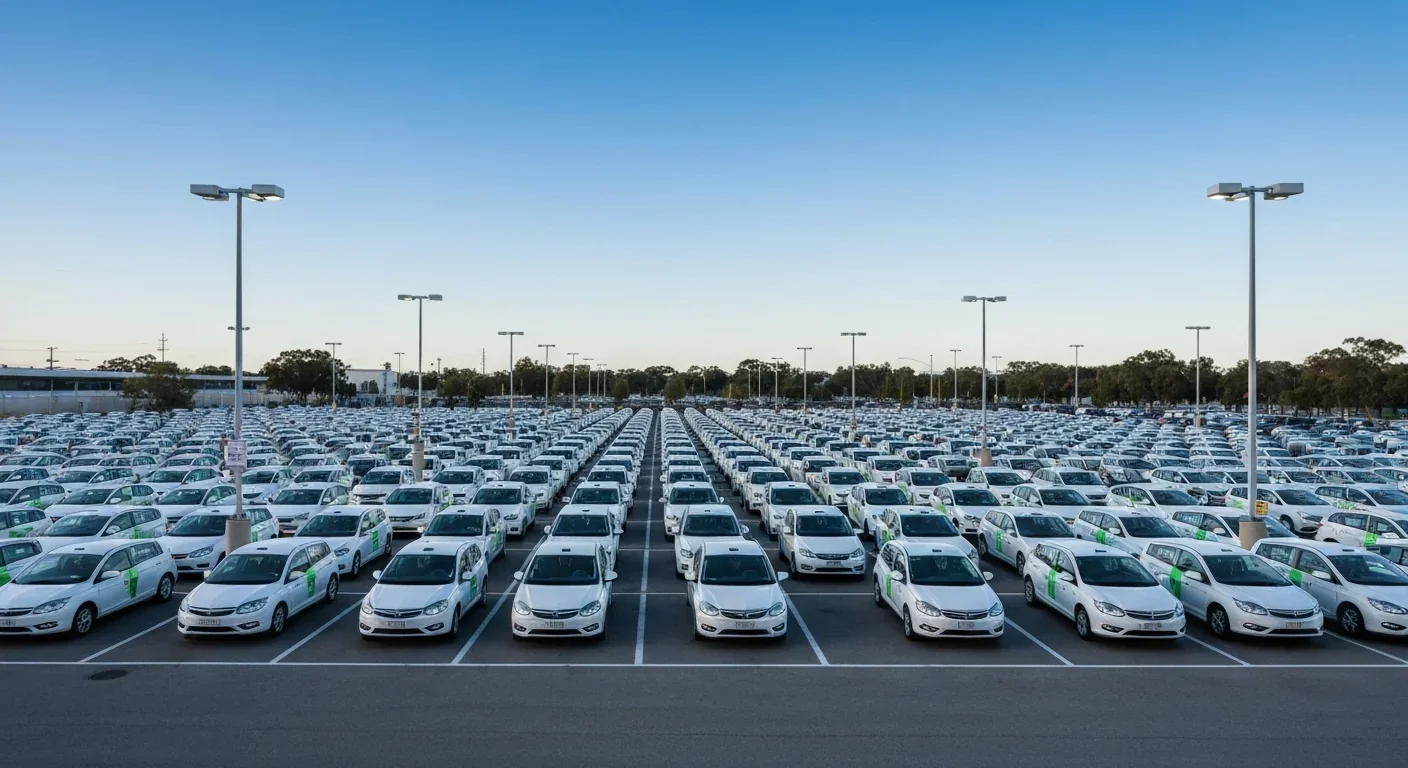
Research shows the sharing economy often increases total resource consumption through the Jevons paradox and rebound effects. Ride-sharing adds billions of vehicle miles, co-working spaces use more energy per worker, and diffused responsibility erodes conservation behavior. Breaking the paradox requires congestion pricing, accountability design, and matching sharing models to appropriate resource types.

Psychological reactance theory explains why banning or restricting things makes people want them more. From Prohibition to the Streisand effect to scarcity marketing, research shows that threatening people's freedom reliably backfires, and autonomy-supportive communication is far more effective.

A carnivorous pitcher plant in Borneo evolved to house bats instead of trapping insects, gaining up to 95% of its nitrogen from bat guano. The plant even built an ultrasonic reflector to help bats find it, revealing that carnivory in plants is a flexible spectrum.
The quantified self movement began as a hacker-ethos pursuit of personal insight, but corporate wearables now funnel biometric data to employers, insurers, and data brokers. With 81% of Americans wrongly believing health apps are HIPAA-protected, a regulatory void enables health data to be sold for pennies while generating anxiety instead of empowerment.
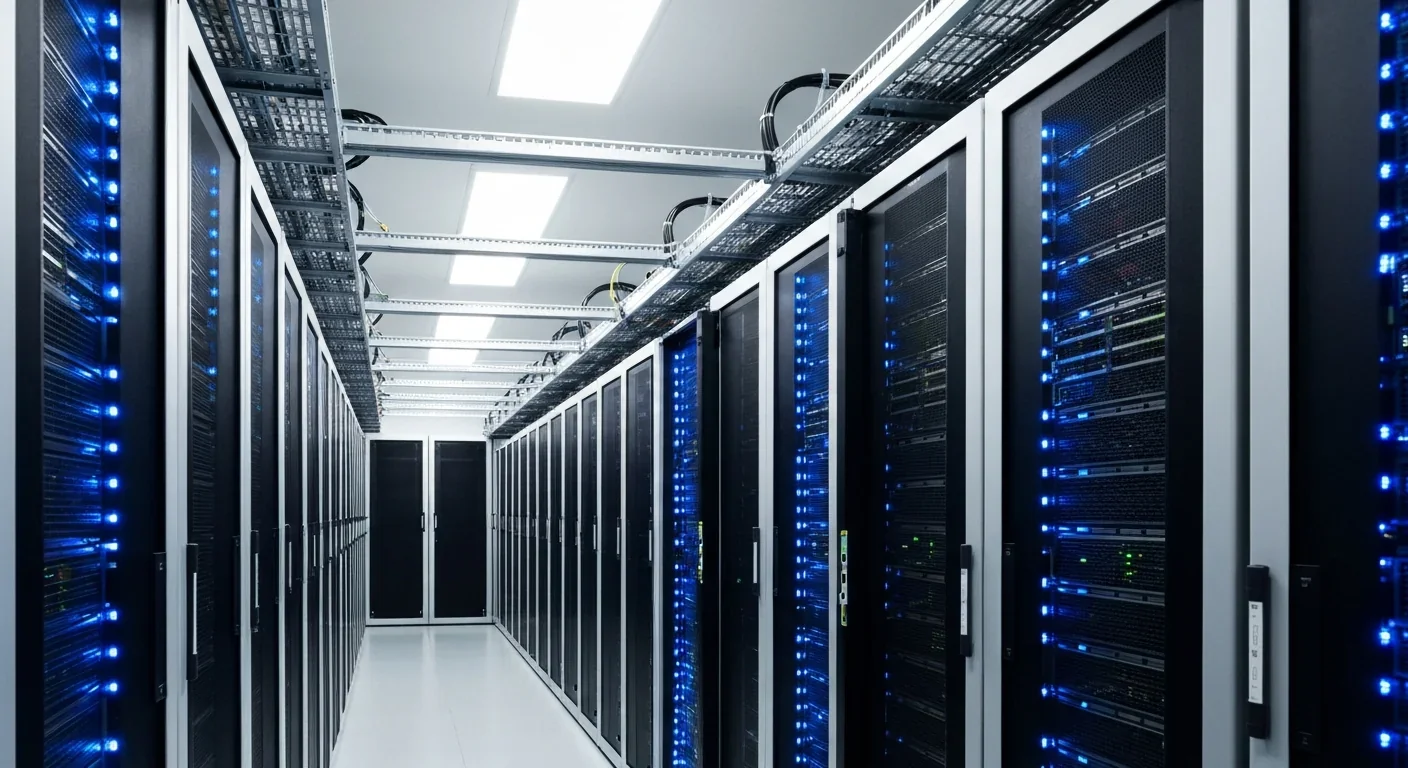
CXL memory pooling lets servers dynamically share DRAM over a cache-coherent interconnect, eliminating the 40% stranded memory waste in data centers. With commercial hardware now shipping and Azure deploying CXL cloud instances, this technology promises to cut memory costs by 50% while enabling composable infrastructure.

Loading featured articles...