Self-Tracking to Surveillance: Quantified Self's Fall
Self-Tracking to Surveillance: Quantified Self's Fall

The Authenticity Tax: How Being Yourself Became Labor

The Vacancy Paradox: Empty Homes and Homelessness

How Engagement Algorithms Turn Social Media Into Outrage

Data Dignity: Should You Own Your Personal Data?

The Great Log-Off: Why Millions Quit Social Media
TL;DR: Algorithmic management systems are transforming workplaces globally, with AI now supervising over 250 million workers by coordinating tasks, monitoring performance, and making employment decisions. While promising efficiency and objectivity, these systems create serious concerns around worker autonomy, health impacts, surveillance overreach, and power imbalances that demand urgent regulatory attention.
By 2030, more than 250 million workers worldwide will report to software, not people. This isn't science fiction or a distant threat. Right now, algorithms are assigning your tasks, monitoring your bathroom breaks, evaluating your performance, and in some cases, firing you without a human ever reviewing your case. Welcome to algorithmic management, the workplace revolution that's already here, quietly reshaping power dynamics across industries and rewriting the social contract between employers and employees.
The transformation is staggering in its scope. From warehouse floors to delivery routes, from customer service calls to freelance gigs, artificial intelligence now oversees the daily work of millions. These systems promise efficiency and objectivity, but they're creating something unexpected: a new category of worker who answers to code, not colleagues. And the implications stretch far beyond productivity metrics.
Algorithmic management isn't just workplace automation. It's the systematic use of AI and data analytics to coordinate, control, and evaluate human labor. These systems track performance in real time, allocate tasks automatically, set productivity targets, discipline workers, and make hiring and firing decisions with minimal human oversight. The shift accelerated dramatically during the pandemic, as remote work blurred boundaries between professional and personal spaces and created new opportunities for digital monitoring.
The technology operates through interconnected systems. Sensors track worker movements and speed. Cameras analyze facial expressions and body language. Software monitors keystrokes, mouse movements, and screen time. Apps collect location data and route information. Machine learning algorithms process this torrent of data, comparing individual performance against benchmarks, identifying patterns, and generating instructions or evaluations without human input.
What makes algorithmic management different from earlier forms of workplace surveillance is its scope, speed, and autonomy. Traditional management systems required human decisions at key points. Algorithmic systems can monitor thousands of workers simultaneously, make split-second decisions about task allocation, and adjust performance expectations dynamically based on aggregate data. The algorithm never sleeps, never takes a break, and never forgets.
Gig economy platforms pioneered algorithmic management at scale. Uber, Lyft, DoorDash, and similar companies built their business models around automated coordination of distributed workforces. Drivers receive assignments through apps, follow GPS-dictated routes, face automatic evaluation through customer ratings, and can be deactivated from the platform with little warning or recourse. The companies describe this as flexibility. Workers increasingly describe it as precarity.
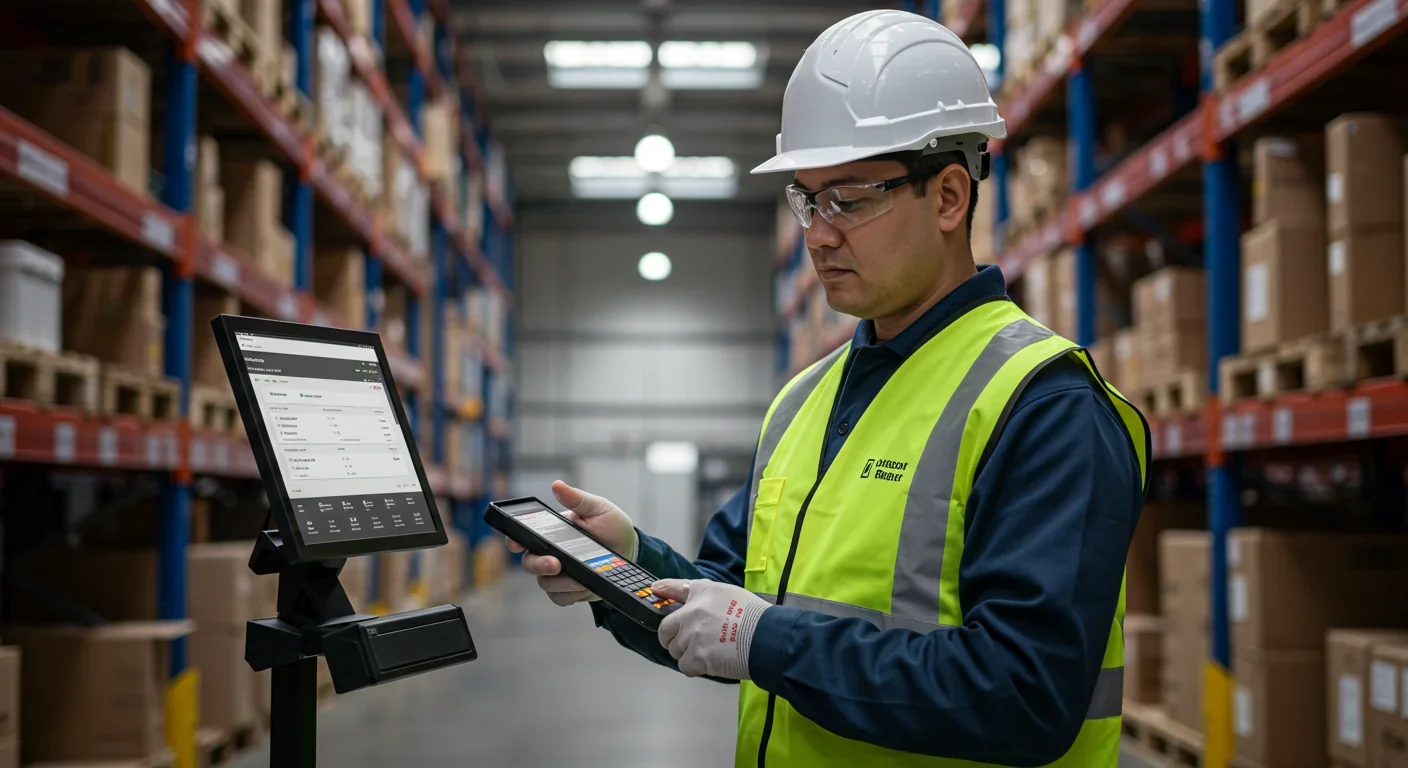
Amazon's warehouses represent another frontier. The company uses algorithms to assign workers to stations, set productivity targets called "rates," and track performance minute by minute. Workers carry handheld devices that tell them exactly where to go and how fast to move. Fall behind, and the system generates automatic warnings. Accumulate enough warnings, and termination follows, often without a supervisor conducting an investigation.
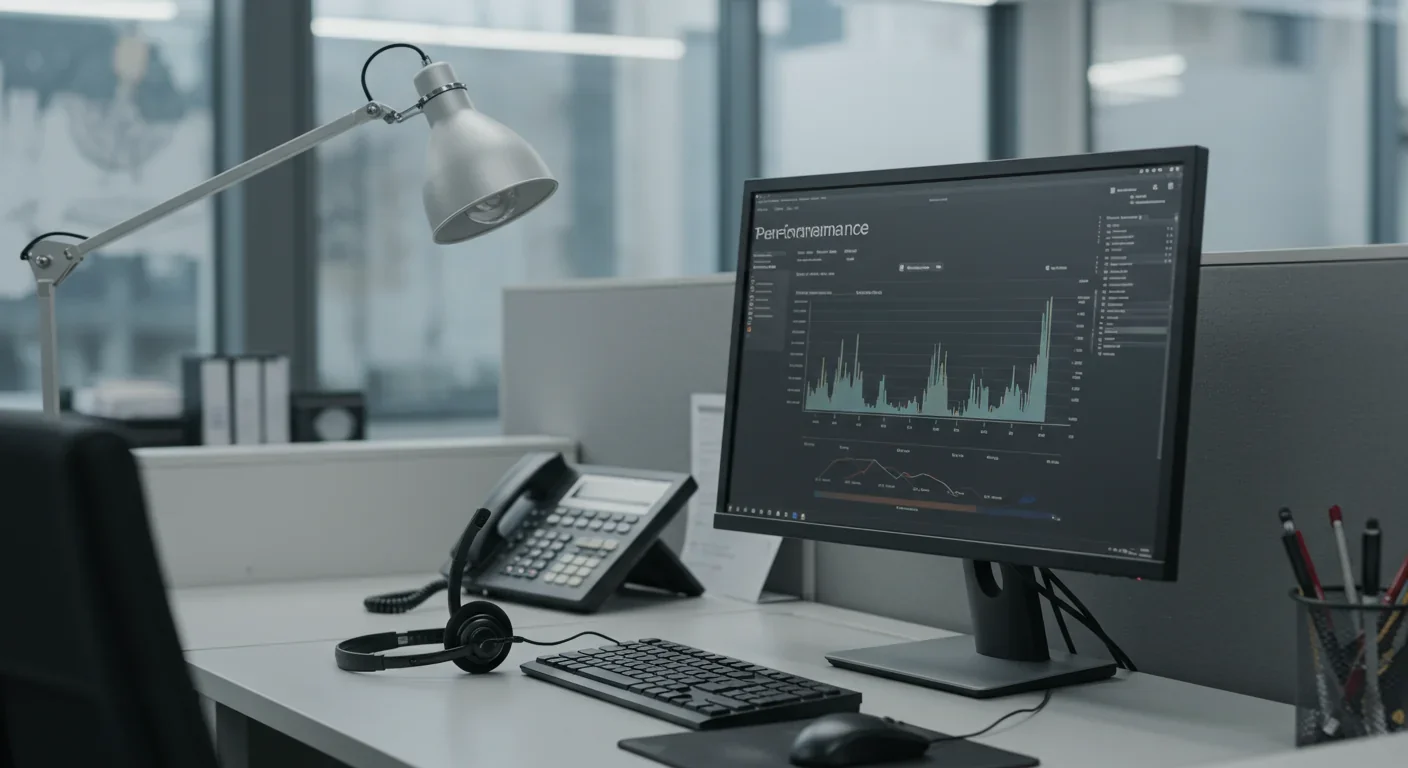
Contact centers have embraced algorithmic management enthusiastically. Call center workers face AI monitoring of their conversations, with software analyzing tone, word choice, and adherence to scripts. Performance dashboards display real-time metrics comparing workers to their peers. Bathroom breaks and idle time trigger alerts. The constant surveillance creates psychological pressure that many workers find exhausting.

Remote white-collar workers aren't exempt. Companies increasingly deploy software that monitors remote employees' keystrokes, tracks which applications they use, takes random screenshots, and even uses webcams to verify workers are at their desks. The technology industry, which created these monitoring tools, has ironically become one of their most enthusiastic adopters.
Freelance platforms like Upwork and Fiverr use algorithmic systems to match workers with clients, set recommended pricing, evaluate work quality through ratings, and determine which freelancers appear prominently in search results. These algorithmic decisions directly impact workers' ability to find jobs and earn income, yet the systems operate as black boxes with little transparency about how decisions get made.
By 2030, more than 250 million workers worldwide will answer to algorithms rather than human managers, fundamentally transforming workplace power dynamics across every industry.
Employers defend algorithmic management with compelling arguments. The systems enable coordination at previously impossible scales. A human manager can effectively supervise perhaps ten to twenty workers. An algorithm can coordinate thousands, adjusting dynamically to changing conditions and optimizing resource allocation in real time. For companies operating globally with distributed workforces, this capability creates genuine value.
Proponents argue algorithms eliminate human bias and favoritism. Traditional management decisions about hiring, assignments, and promotions are notoriously subjective, influenced by personal relationships and unconscious prejudices. A well-designed algorithm, they suggest, makes decisions based purely on relevant performance data, treating all workers equally regardless of personal characteristics.
The data these systems collect can identify inefficiencies and opportunities for improvement. Analyzing patterns across thousands of workers reveals bottlenecks, suboptimal processes, and training needs that individual managers might miss. Companies use these insights to redesign workflows, reduce waste, and improve customer service.
For some workers, particularly in gig economy roles, algorithmic management delivers genuine flexibility. Workers can choose when and how much to work, accepting or declining individual tasks. The app mediates all coordination, eliminating the need to negotiate schedules with managers or coordinate with coworkers. This autonomy appeals to people managing caregiving responsibilities, pursuing education, or seeking supplemental income.
The reality for workers often diverges sharply from the efficiency narrative. Start with the psychological toll. Constant monitoring creates sustained stress and anxiety. Workers describe feeling like they're under a microscope, unable to relax even momentarily. The awareness that algorithms track bathroom breaks, conversation time with coworkers, and momentary lapses in productivity creates an oppressive atmosphere. Research links this surveillance to increased rates of anxiety, depression, and burnout.
Algorithmic management often intensifies work beyond sustainable levels. Systems set productivity targets based on the fastest performers, then ratchet expectations upward as workers adapt. What starts as a challenging but achievable rate becomes a grueling standard that pushes workers to skip breaks, work through pain, and sacrifice safety for speed. Amazon warehouses report injury rates substantially higher than industry averages, a pattern advocates attribute partly to algorithmic productivity pressure.
The systems often lack context and common sense. Algorithms don't understand why a delivery might take longer during a snowstorm or why a customer service call requires extra time to resolve a complex problem. They simply register deviations from expected performance and generate negative evaluations. Workers facing difficult conditions find themselves penalized for circumstances beyond their control.
Automated decision-making eliminates opportunities for explanation and discretion. When a human manager disciplines a worker, there's typically a conversation where the worker can explain circumstances, discuss challenges, or negotiate. Algorithmic systems often implement decisions automatically, presenting workers with fait accompli. Appeals processes exist but frequently prove slow, opaque, and ineffective.
The promised objectivity often proves illusory. Algorithms trained on historical data inherit and amplify existing biases. If past hiring favored certain demographic groups, the algorithm learns to replicate that pattern. If performance evaluations historically penalized workers for characteristics unrelated to actual job performance, the system perpetuates those prejudices. The mathematical veneer of neutrality makes these biases harder to identify and challenge.
"The algorithm never sleeps, never takes a break, and never forgets. This creates an oppressive work environment where human needs for rest and context are systematically ignored."
- AI Now Institute, Workplace Surveillance Research
Workers report that algorithmic management creates social isolation. When algorithms assign tasks, coordinate schedules, and evaluate performance, workers have fewer interactions with supervisors and colleagues. The organic social relationships that develop in traditional workplaces, which provide emotional support and opportunities for mentorship, fail to form. Gig workers may never meet each other or have conversations with anyone about their work beyond automated app interfaces.
One of algorithmic management's most subtle effects is what researchers call "false autonomy." Gig platforms emphasize that workers are independent contractors who control their schedules and choose which jobs to accept. Technically true, but the reality is more constrained.
The algorithms shape choices through design. They might send attractive job offers to workers who accept quickly and punish hesitation with lower-paying assignments. They reward workers who stay online during peak hours and penalize those with erratic schedules. They use dynamic pricing that makes refusing jobs during busy periods financially painful. Workers find themselves compelled to follow algorithmic nudges, experiencing not genuine autonomy but sophisticated behavioral management.
The system's opacity reinforces control. Workers often don't understand how algorithms make decisions affecting their work and income. Why did the app assign this route? How are performance ratings calculated? What specific actions led to account deactivation? Companies treat algorithms as proprietary trade secrets, refusing to explain their logic. This information asymmetry leaves workers unable to effectively appeal decisions or optimize their performance strategically.
The consequences of algorithmic errors can be devastating, and the systems make mistakes regularly. Sensors malfunction, feeding incorrect data into decision-making processes. Software contains bugs that misclassify worker actions. Training data includes errors that algorithms learn to replicate. Machine learning models develop unexpected behaviors as they process new information.
When mistakes happen, correction proves difficult. Automated systems implement decisions at scale before anyone identifies problems. Workers facing unjust termination or discipline find themselves navigating bureaucratic appeals processes with limited human contact. Companies often take weeks or months to investigate, during which workers lose income and face uncertainty about their employment status.

Some errors reflect deeper design flaws. Algorithms optimizing for narrow metrics create perverse incentives. A delivery app algorithm focused purely on speed might route drivers through dangerous neighborhoods or encourage reckless driving. A customer service algorithm prioritizing call volume might reward workers who rush through conversations without actually resolving problems. The measured metrics improve while real outcomes deteriorate.
Regulation struggles to keep pace with algorithmic management's evolution. Traditional labor law developed around assumptions of human supervisors making discretionary decisions. When algorithms automate those decisions, existing legal frameworks often don't clearly apply.
Worker classification remains contentious. Gig platforms classify workers as independent contractors, exempting them from minimum wage laws, overtime pay, unemployment insurance, and workplace safety protections. Courts and legislatures debate whether algorithmic control creates an employment relationship that requires stronger protections. The legal answer varies by jurisdiction and remains unsettled in many.
The European Union has moved most aggressively on regulation. The AI Act includes provisions specifically addressing workplace algorithms, requiring transparency, human oversight, and worker rights to explanation and contest automated decisions. Implementation details remain under development, but the framework establishes that algorithmic management cannot operate without constraints.
Traditional labor law was built for human supervisors. When algorithms make the decisions, existing legal protections often fail to apply, leaving millions of workers in a regulatory gray zone.
The United States lacks comprehensive federal regulation. Some states have begun acting independently. California's Assembly Bill 5 attempted to reclassify gig workers as employees, though companies secured exemptions through ballot initiative. New York City enacted rules requiring disclosure when algorithms screen job candidates. Federal proposals like the Stop Spying Bosses Act would mandate disclosure and limit data collection, but face uncertain prospects in Congress.
The International Labour Organization has initiated discussions on global standards for algorithmic management, recognizing that the phenomenon crosses borders and that effective regulation requires international coordination. Progress has been slow, with stakeholders disagreeing on whether standards should emphasize flexibility or worker protection.
Litigation is emerging as another avenue for challenging algorithmic management's excesses. Workers have sued platforms alleging discrimination, wage theft, and misclassification. Some cases challenge specific algorithm designs as unlawfully biased. Others argue that surveillance levels violate privacy rights. The legal theories remain novel, and outcomes vary, but the litigation creates pressure for companies to moderate their practices.
Beneath the technical and legal debates lies a fundamental question about power relationships. Algorithmic management doesn't just change how work gets done; it shifts who controls the employment relationship and on what terms.
Traditional management involved negotiation. Workers and supervisors operated within structures of mutual dependency. Managers needed workers' knowledge, cooperation, and discretionary effort. Workers needed managers' guidance, support, and advocacy within organizations. This interdependency created space for dialogue, relationship-building, and incremental adjustment of expectations.
Algorithmic systems reduce that interdependency. The algorithm doesn't need workers' cooperation beyond their literal compliance with instructions. It doesn't value relationships or require their goodwill. If they resist or complain, the system can simply route work to others. The balance of power tilts decisively toward employers.

Collective action becomes harder when algorithms mediate all workplace relationships. Workers scattered geographically and connected only through apps struggle to organize. They may never meet each other or develop the solidarity that enables labor organizing. Companies can adjust algorithms to discourage organization, reducing work allocation to activists or changing policies to prevent coordination.
The concentration of information creates another power asymmetry. Companies collect vast data about workers' performance, behavior, and even physical movements. Workers typically cannot access this data or understand how it's analyzed. This information imbalance makes it nearly impossible for workers to effectively negotiate or even understand their situation.
Researchers are documenting algorithmic management's effects on worker health. The findings are concerning. Constant surveillance produces chronic stress, which correlates with cardiovascular disease, weakened immune function, and mental health disorders. The psychological experience of being perpetually monitored triggers the same physiological stress responses as other forms of threat.
Physical health suffers too. Algorithmic productivity pressure drives workers to maintain unsustainable paces, skip breaks, and ignore pain signals. Repetitive strain injuries, back problems, and exhaustion follow. Amazon warehouses have become notorious for high injury rates, with workers requiring medical attention at rates substantially exceeding industry norms.
"Workers describe feeling dehumanized and reduced to metrics. The lack of human connection and recognition erodes dignity and self-worth in ways that extend far beyond the workplace."
- University of Waterloo, Digital Surveillance Research
The mental health toll extends beyond stress to include anxiety, depression, and burnout. Workers describe feeling dehumanized and reduced to metrics. The lack of human connection and recognition erodes dignity and self-worth. For some, the psychological cost becomes unbearable, driving them to leave jobs they desperately need.
Sleep disruption is common, particularly for gig workers whose algorithms reward availability at unpredictable hours. The combination of irregular schedules, financial pressure to maximize work hours, and stress makes adequate rest difficult. Sleep deprivation compounds other health problems and impairs judgment, potentially contributing to safety risks.
Algorithmic management's problems aren't inherent to the technology. The dysfunction stems from design choices that prioritize employer control and narrow efficiency metrics over worker wellbeing and sustainable performance. Different approaches are possible, though they require reimagining how humans and algorithms share workplace authority.
Worker-centered design starts with different questions. Instead of asking how to maximize productivity and minimize labor costs, designers could ask how technology can support workers' autonomy, development, and wellbeing. The resulting systems might use algorithms to suggest rather than command, to provide information rather than surveillance, to enhance workers' capabilities rather than constrain their judgment.
Transparency and explainability are fundamental. Workers should understand how algorithmic systems evaluate their performance, make decisions affecting their work, and calculate metrics. Companies should provide meaningful access to data collected about workers and explanations of how algorithms process that information. Appeals mechanisms should include human decision-makers empowered to override algorithmic judgments.
Worker participation in algorithm design and oversight represents another frontier. Labor unions and worker advocates are beginning to demand seats at the table when companies implement algorithmic management systems. This co-design approach allows workers' practical knowledge and concerns to shape systems before deployment. Ongoing oversight committees with worker representation can monitor systems' effects and recommend adjustments.
Some companies are experimenting with algorithms that support rather than control. These systems might analyze work patterns to identify training needs, suggest productivity strategies workers can accept or ignore, or connect workers with mentors who have faced similar challenges. The technology serves workers' goals rather than simply extracting maximum output.
Algorithmic management will expand, not retreat. The economic pressures and competitive dynamics driving adoption aren't diminishing. More industries will experiment with automated supervision, and the systems will grow more sophisticated as AI capabilities advance. The question isn't whether algorithms will manage work, but how they'll do it and under what constraints.
The next five years will prove crucial for establishing norms and regulations. Decisions made now about transparency requirements, worker rights, and algorithmic accountability will shape workplace technology's trajectory for decades. If regulation remains weak and worker voice remains marginalized, we risk creating a permanent underclass of algorithmically managed workers with few protections and limited power.
But alternative paths exist. Strong regulation can channel algorithmic management toward more balanced applications that genuinely benefit both employers and workers. Worker organization can create countervailing power that forces negotiation and compromise. Thoughtful design can produce systems that augment human capability rather than simply extracting compliance.
The next five years will determine whether algorithmic management becomes a tool of liberation or oppression. The outcome depends on choices being made today about design, regulation, and democratic control.
The broader transformation extends beyond workplaces to reshape society's relationship with algorithmic systems. As AI makes more consequential decisions about employment, credit, housing, education, and criminal justice, questions about transparency, accountability, and human agency become central to democratic governance. Workplace struggles over algorithmic management are early battles in a longer campaign to ensure technology serves human flourishing rather than narrow optimization metrics.
What's happening right now in warehouses, on delivery routes, and in call centers offers a preview of possible futures. We can see both dystopian trajectories toward dehumanizing surveillance and surveillance capitalism, and utopian possibilities for technology that genuinely empowers workers and improves their lives. The outcome depends on choices being made today about design, regulation, and power. Those choices belong not just to companies and engineers, but to workers, citizens, and democratic institutions.
The silent revolution has begun, but its conclusion remains unwritten. Whether algorithmic management becomes a tool of liberation or oppression depends on whether we treat it as an inevitable force or a set of design choices subject to human values and democratic control. The future of work hangs in that balance, and everyone has a stake in how it tips.

Project Orion was a real 1960s program to reach other stars by detonating 800 nuclear bombs behind a spacecraft. The physics worked and the engineering was feasible, but the 1963 nuclear test ban treaty killed it. It remains the most credible interstellar spacecraft ever designed.

The locus coeruleus, a tiny brainstem structure, degenerates decades before Alzheimer's symptoms appear. Its loss cripples the brain's inflammation control, waste clearance, and sleep regulation. New imaging tools and noradrenergic therapies offer hope for early detection and prevention.
Research shows the sharing economy often increases total resource consumption through the Jevons paradox and rebound effects. Ride-sharing adds billions of vehicle miles, co-working spaces use more energy per worker, and diffused responsibility erodes conservation behavior. Breaking the paradox requires congestion pricing, accountability design, and matching sharing models to appropriate resource types.

Psychological reactance theory explains why banning or restricting things makes people want them more. From Prohibition to the Streisand effect to scarcity marketing, research shows that threatening people's freedom reliably backfires, and autonomy-supportive communication is far more effective.

A carnivorous pitcher plant in Borneo evolved to house bats instead of trapping insects, gaining up to 95% of its nitrogen from bat guano. The plant even built an ultrasonic reflector to help bats find it, revealing that carnivory in plants is a flexible spectrum.
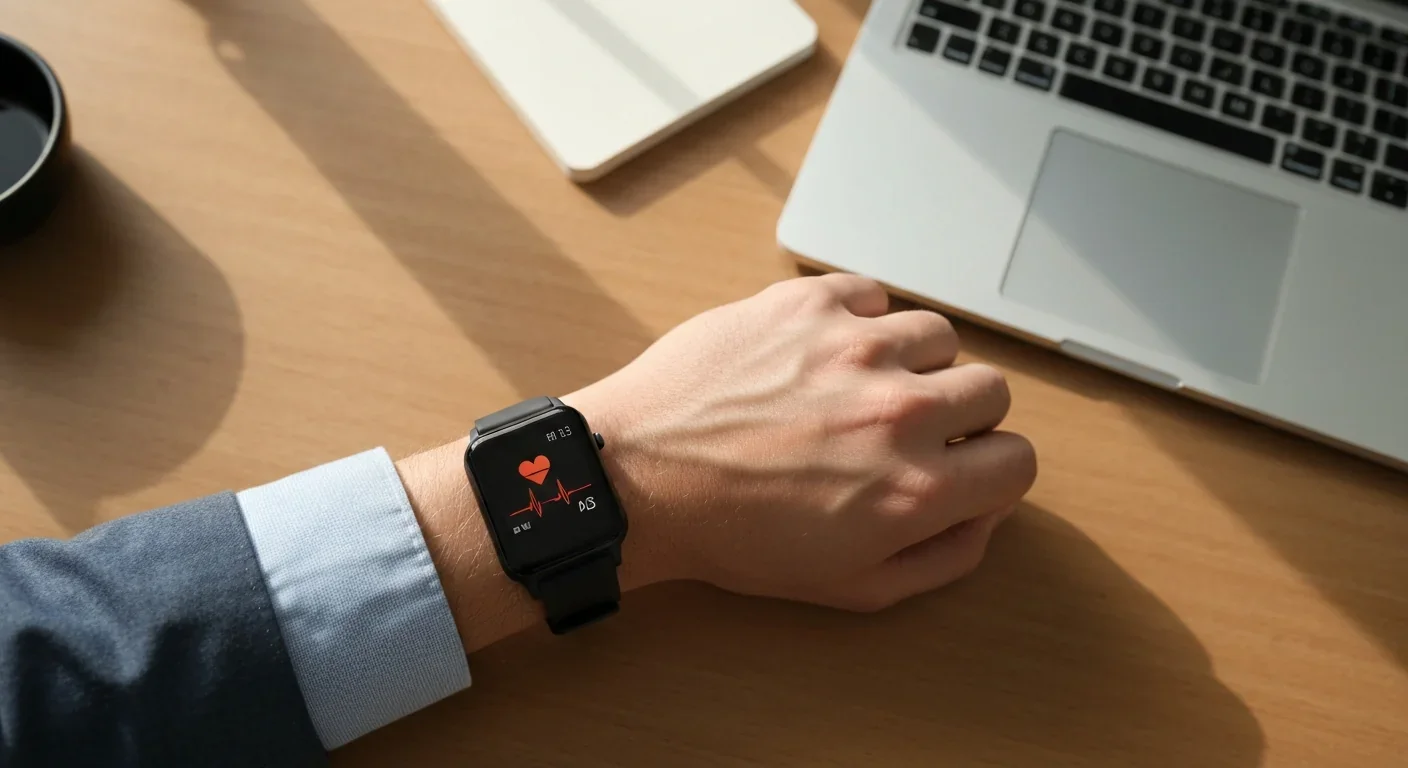
The quantified self movement began as a hacker-ethos pursuit of personal insight, but corporate wearables now funnel biometric data to employers, insurers, and data brokers. With 81% of Americans wrongly believing health apps are HIPAA-protected, a regulatory void enables health data to be sold for pennies while generating anxiety instead of empowerment.
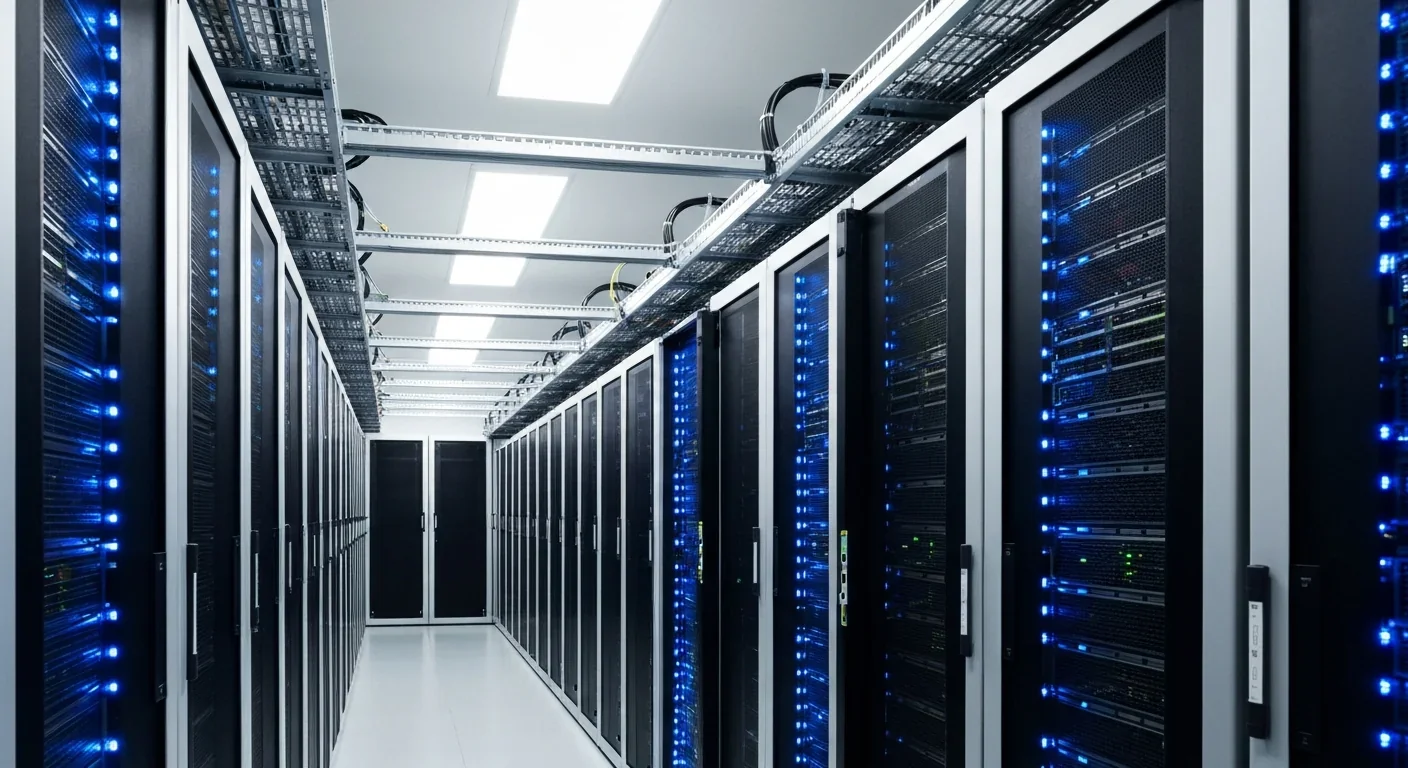
CXL memory pooling lets servers dynamically share DRAM over a cache-coherent interconnect, eliminating the 40% stranded memory waste in data centers. With commercial hardware now shipping and Azure deploying CXL cloud instances, this technology promises to cut memory costs by 50% while enabling composable infrastructure.

Loading featured articles...