Self-Tracking to Surveillance: Quantified Self's Fall
Self-Tracking to Surveillance: Quantified Self's Fall

The Authenticity Tax: How Being Yourself Became Labor

The Vacancy Paradox: Empty Homes and Homelessness

How Engagement Algorithms Turn Social Media Into Outrage

Data Dignity: Should You Own Your Personal Data?

The Great Log-Off: Why Millions Quit Social Media
TL;DR: Remote workers are revolutionizing labor organizing through digital platforms, winning comprehensive contracts without physical workplaces. Tools like Union Impact and encrypted messaging enable coordination across borders, though surveillance and legal complexity create new challenges.
The 75 animators scattered across Oregon, Tennessee, and a dozen other states had never met in person, yet they pulled off what traditional labor organizers once thought impossible. In 2024, these DreamWorks Animation remote workers successfully unionized with The Animation Guild, securing zero-dollar healthcare premiums and guaranteed retirement contributions - benefits their office-based colleagues already enjoyed. The victory announced a seismic shift: labor organization no longer requires a factory floor, an office building, or even the same zip code.
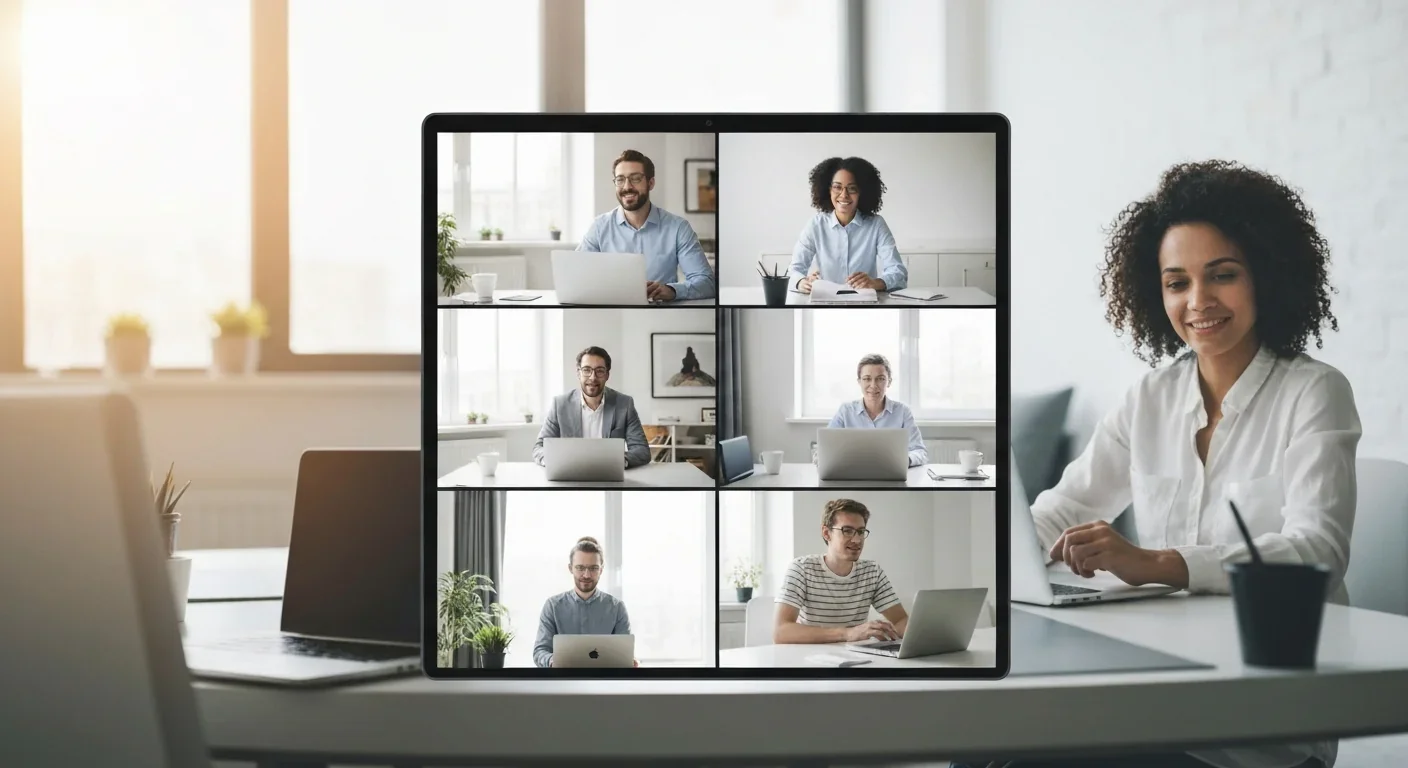
While headlines celebrated tech giants finally facing organized labor, the real revolution was happening in the infrastructure itself. Digital unions aren't just traditional unions that happen to use email. They represent a fundamental reimagining of how workers build collective power when the workplace exists everywhere and nowhere at once.
For a century, union strength flowed from physical proximity. Workers met at the factory gate, talked during lunch breaks, passed flyers in the parking lot. Geography was destiny. But the pandemic-accelerated shift to remote work demolished that assumption, creating both crisis and opportunity for the labor movement.
The numbers tell the story. By 2024, over 600 Starbucks locations had unionized, representing more than 14,000 employees who coordinate primarily through digital channels. Amazon warehouse workers, Whole Foods staff, and delivery drivers - more than 10,000 in total - have joined union efforts despite working in physically dispersed locations. Even the notoriously anti-union tech sector cracked, with Google subcontractors at HCL America winning NLRB recognition in 2019, followed by successful campaigns at Kickstarter and the formation of the Alphabet Workers Union.
What changed wasn't just workplace location. The entire organizing playbook got rewritten. Traditional union drives relied on in-person meetings, paper authorization cards, and face-to-face conversations that built trust through human connection. Digital organizing replaced physical proximity with persistent connectivity, transforming limitations into leverage.
Geography, once labor's greatest weakness, became its secret weapon. When organizers don't need physical meeting spaces, they can reach workers anywhere, anytime.
Walk into a modern union organizing campaign and you won't find filing cabinets stuffed with authorization cards. You'll find Union Impact's Organizing Hub, a centralized platform that tracks prospects, manages campaigns, and collects digital signatures - all from a single dashboard. You'll see organizers using Votem's CastIron platform for secure voting, which increased participation in one union election from 126,000 votes to 299,000 by eliminating geographic barriers.
These aren't just digitized versions of old tools. They're fundamentally different instruments that change what's possible. When UC San Diego telehealth workers organized under UPTE-CWA, they secured remote-work rights and consistent scheduling through entirely virtual negotiations - no physical workplace, no central meeting location, just coordinated digital action.
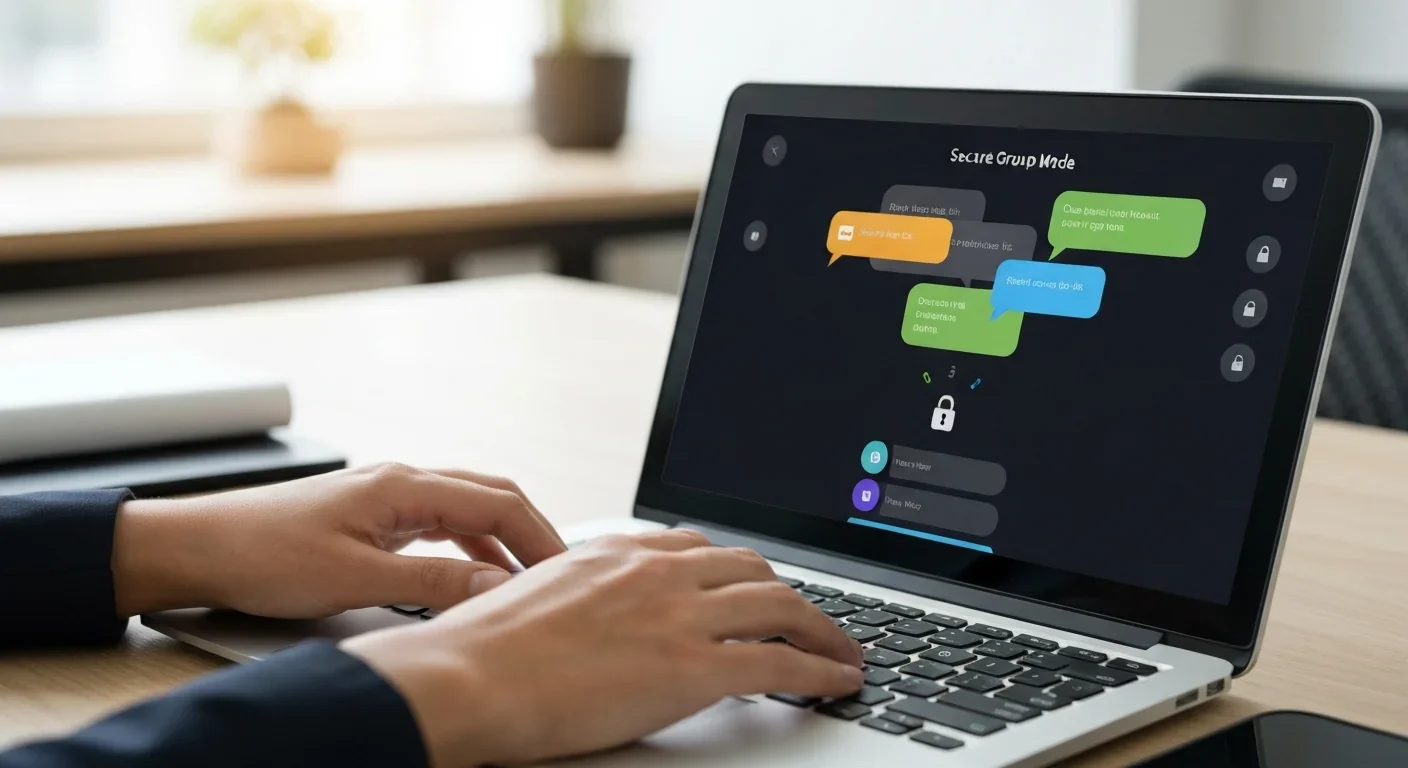
The platforms themselves reveal the evolution of digital union strategy. Union Impact's system integrates membership management, dues tracking, dispatch coordination, and grievance handling in one cloud-based system. It features mass messaging with real-time delivery tracking, allowing organizers to send personalized texts to targeted member groups instantly. The platform maintains complete member profiles, manages certifications and payments, and automates follow-ups - reducing the administrative burden that once consumed union resources.
For gig workers and platform employees, specialized tools emerged to address their unique challenges. Turkopticon and Dynamo, developed for Amazon Mechanical Turk workers, enable over 10,000 workers to share employer ratings, coordinate actions, and collectively resist poor conditions. These platforms provide transparency in an environment designed to keep workers isolated and powerless.
Security became paramount when organizing moved online. Union Impact's platform operates from SOC 2 Type II audited data centers, encrypting all data at rest and in transit. Access is restricted by role, ensuring sensitive campaign information stays confidential. Daily encrypted backups protect against loss. For unions operating across borders, data sovereignty provisions store U.S. client data on American servers and Canadian data in Canadian data centers, addressing jurisdictional compliance requirements.
The most sophisticated campaigns layer multiple platforms for different functions. Organizers use encrypted messaging apps like Signal or AWS Wickr for sensitive communications, social media for public engagement and storytelling, dedicated union management software for operations, and secure voting platforms for democratic decision-making. This multi-channel approach mirrors how remote workers naturally communicate, meeting them where they already are.
The DreamWorks remote workers' union victory exposed a thorny legal reality: existing labor law assumes workers have a physical workplace. When 75 employees scattered across state lines seek collective representation, which jurisdiction's rules apply? How do you define a "bargaining unit" when there's no physical unit to bargain for?
Jackson Lewis employment attorneys warn that U.S. employment law - including FLSA wage and hour provisions and ADA accommodation requirements - continues to apply to U.S. employees working abroad temporarily. But when an employee works under a digital nomad visa in one of the 70+ countries now offering such arrangements, legal authority becomes murky. U.S. law may no longer apply, yet local employment laws can still impose obligations on American employers.
This creates what labor scholars call "jurisdictional arbitrage" - the possibility that employers might exploit regulatory gaps between countries to avoid union obligations. If a union represents workers in California, Texas, and Portugal, which state's minimum wage applies? What about overtime rules? Whose labor board adjudicates disputes?
"If you allow someone to work from another country, you don't know what the employment laws are in the country, that could create exposure for the U.S. company permitting someone to work there."
- Bryn Goodman, Jackson Lewis employment attorney
The Alphabet Workers Union's 2024 agreement with Accenture offered one answer. Their contract secured fully remote roles for Google Help workers while establishing clear, uniform standards: 30 days' notice for layoffs, six weeks severance, and explicit bans on invasive monitoring tools like keystroke tracking. By negotiating federal-level protections that supersede state variations, the union created a portable benefits package that travels with workers regardless of location.
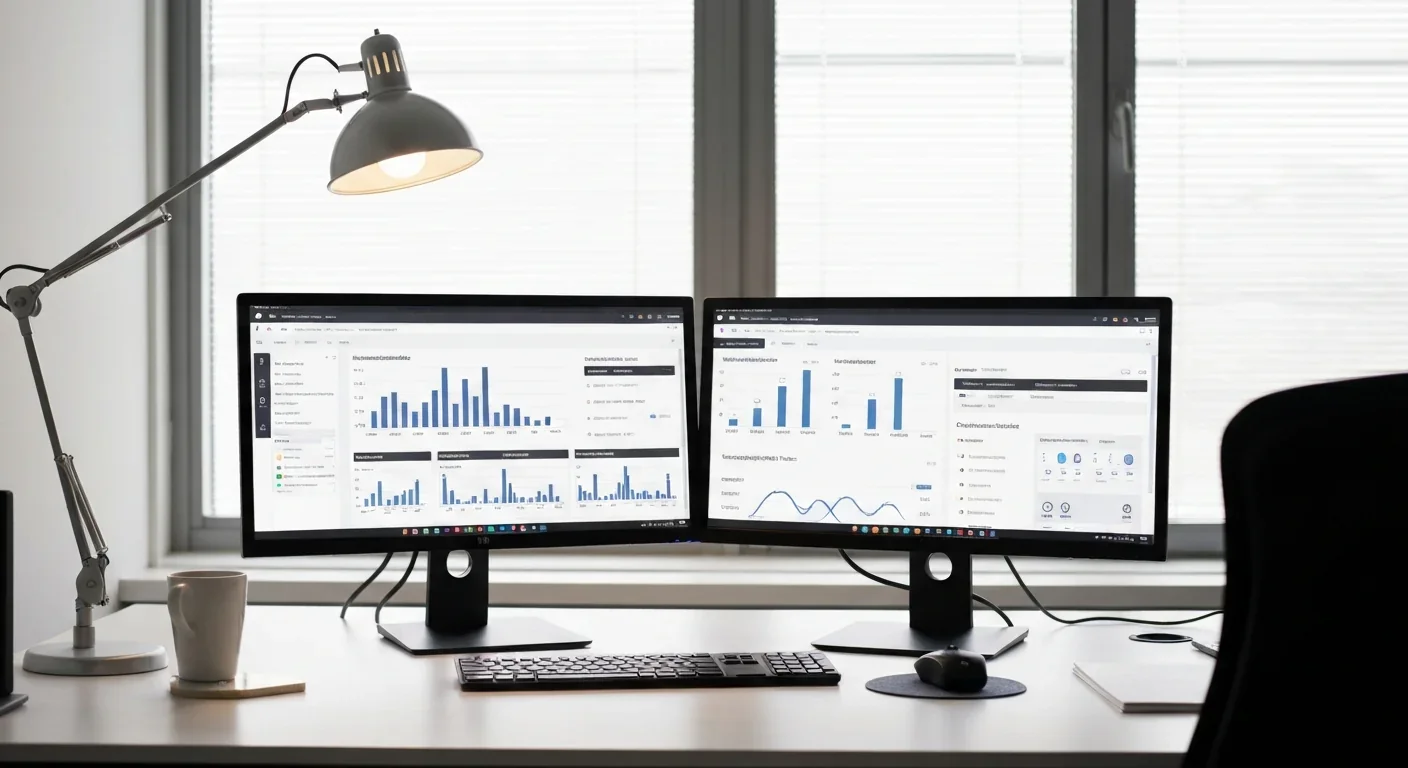
Data privacy regulations add another layer. Europe's GDPR imposes strict requirements on how employers handle worker data - including union membership information. California's CCPA creates similar protections. Digital unions must navigate these frameworks while organizing, ensuring they don't inadvertently expose members to surveillance or retaliation through poor data security practices.
Independent contractor classification remains the thorniest issue. Gig platforms like Uber, DoorDash, and Mechanical Turk classify workers as independent contractors, placing them outside traditional labor law protections. Without "employee" status, workers can't collectively bargain under the National Labor Relations Act. Digital unions have responded by forming alternative structures - mutual aid networks, worker cooperatives, and grassroots coalitions that provide collective voice without formal legal recognition.
Geographic dispersion, once labor's greatest weakness, became its secret weapon. When organizers don't need to rent meeting halls, print physical flyers, or schedule around shift changes, they can move faster and reach further.
The numbers demonstrate the efficiency gains. The Kickstarter Union's 2023 campaign engaged over 200 remote creators via Discord and Slack, coordinating across time zones without a single in-person meeting. The campaign went from initial organizing to NLRB election in eight months - faster than many traditional drives despite the distributed workforce.
Digital campaigns scale differently than physical ones. Once you build the infrastructure - secure messaging channels, a voter database, digital authorization card collection - expanding from 50 members to 500 requires minimal additional effort. Starbucks Workers United demonstrated this by spreading to 600 stores representing 14,000 employees within two years. Each successful location could share tactics, messaging, and legal strategies instantly through shared digital resources.
Social media amplified union messages beyond anything traditional organizing could achieve. The Fight for $15 campaign shared worker video testimonials on YouTube and Twitter, humanizing the struggle for higher wages and garnering mainstream support. The UAW posted photo series on Facebook showcasing member solidarity, while SEIU created Instagram infographics explaining negotiated benefits. These weren't just publicity stunts - they were organizing tools that helped workers see themselves as part of a national movement.
Real-time coordination enabled rapid response to employer actions. When a Starbucks location in Brooklyn faced mold and bedbug infestations, the union leveraged digital networks to file NLRB complaints, mobilize media attention, and pressure management into remediation - all within 72 hours. Traditional organizing timelines measured such campaigns in months.
The asynchronous nature of digital tools also proved valuable. Workers on different shifts, in different time zones, or with caregiving responsibilities could participate on their own schedules. A single parent working evening shifts could review contract proposals at 11 PM and vote from their phone. A worker in Singapore could attend a Zoom strategy session during their morning hours that matched New York organizers' evening availability.
Every digital advantage carries surveillance risk. The same platforms that enable organizing also generate data trails that sophisticated employers can exploit.
Keystroke logging, email monitoring, and productivity tracking software have become standard in remote work environments, often without explicit employee consent. These tools can identify union sympathizers before they even file for NLRB recognition. Amazon's fulfillment centers pioneered what labor researchers call "algorithmic management" - using real-time data to measure, predict, and modify worker behavior. Applied to union organizing, such systems could detect coordinated activity, identify leaders, and enable targeted retaliation.
The surveillance infrastructure built for productivity monitoring evolved into potential union-busting machinery, forcing organizers to master counter-surveillance tactics.
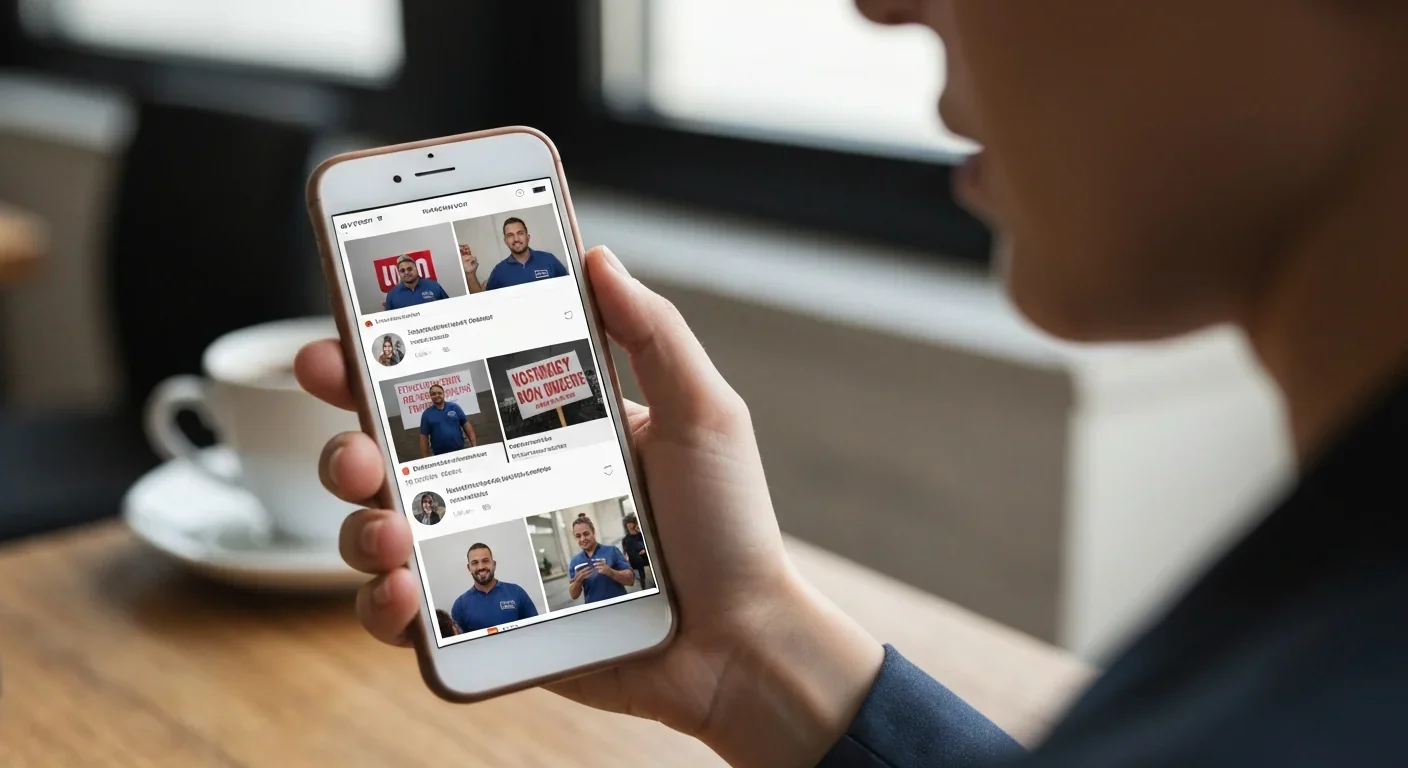
Digital unions responded with counter-surveillance tactics. Organizers shifted sensitive communications to end-to-end encrypted platforms like Signal or AWS Wickr, which prevent employers from intercepting messages even if they compromise network infrastructure. Some campaigns created separate, privacy-focused email accounts unconnected to employer systems. The most sophisticated efforts used "burner" communication channels - temporary Discord servers or Slack workspaces created for specific actions, then deleted to erase the digital trail.
The Alphabet Workers Union's 2024 contract directly addressed surveillance by banning keystroke tracking and other invasive monitoring tools. This represented a significant victory: unions weren't just protecting workers from surveillance but negotiating the right to privacy as a contractual term.
Legal protections remain inconsistent. Section 7 of the National Labor Relations Act protects "concerted activity" including digital organizing discussions, but enforcement is reactive - workers must file complaints after employer violations occur. By then, organizers may already be fired, transferred, or intimidated into silence. California's AB 1651, passed in 2024, required employers to disclose all monitoring software to employees, creating transparency that helped organizers assess their security posture.
The DreamWorks production workers' contract ratification demonstrated what comprehensive digital bargaining could achieve. After nine months of virtual negotiations, 92% of the bargaining unit participated in the vote, with 96% approving a contract that included wage minimums, annual increases, zero-dollar healthcare premiums, guaranteed retirement contributions, and additional pay for sixth and seventh workdays.
"While it is a tremendous privilege to be able to work remotely in the industry I love and alongside people I love, it is unfair to be treated as a second-class employee."
- Anthony Holden, Oregon-based story artist
Anthony Holden's words captured the emotional core of the campaign. The union didn't just secure benefits - it established the principle that remote work shouldn't mean reduced rights.
ZeniMax Studios' 2023 agreement with CODE-CWA showed what digital unions could win in the tech sector proper. All 461 employees received a 13.5% wage increase, protection against AI-driven job replacement, and formal grievance procedures. The contract specifically addressed remote work concerns: standardized equipment stipends, guaranteed high-speed internet reimbursement, and clear policies about which software could monitor worker activity.
Virtual collective bargaining sessions proved surprisingly effective. Zoom and Microsoft Teams allowed more participants to observe negotiations than physical rooms ever could, increasing transparency. Organizers used Miro boards and shared documents for real-time contract language collaboration, letting members suggest edits during session breaks. Digital polling provided instant feedback on tentative agreements, speeding the ratification process.

Some outcomes remained impossible to achieve digitally. Workplace safety inspections, for instance, required physical presence to identify hazards. Solidarity actions like picket lines lost some symbolic power when conducted virtually, though digital strikes - coordinated mass work stoppages promoted through social media - demonstrated their own effectiveness during pandemic lockdowns.
The Burgerville Workers Union, organizing fast-food workers across Oregon and Washington, used hybrid strategies combining digital coordination with selective in-person actions. They celebrated contract ratification with a Facebook post: "We did it! Upon ratification we will have ended at-will employment, ended unfair scheduling, won tips for workers, free shift meals, $1 wage increase after our first strike in October 2019, 5 paid holidays and in-store tipping system." Digital tools handled coordination and communication; physical presence delivered targeted pressure at critical moments.
Platform workers exist in a legal limbo that makes traditional unionization nearly impossible, yet they've pioneered some of digital labor's most creative organizing models.
Uber and Lyft drivers in California formed advocacy groups that operated like unions without formal legal recognition. They used Facebook groups and WhatsApp chats to share airport queue strategies, warn about fare cuts, and coordinate responses to algorithm changes. When California passed AB5 in 2019, attempting to reclassify gig workers as employees, these informal networks mobilized both for and against the law - demonstrating that digital organization could happen even when formal unionization couldn't.
DoorDash and Instacart shoppers developed mutual aid networks that functioned as collective bargaining by other means. Through Reddit forums and Discord servers, workers shared information about high-tipping customers, problematic restaurants, and dangerous delivery areas. When platforms cut pay rates, coordinated actions spread rapidly: thousands of workers simultaneously logging off during peak hours, creating artificial driver shortages that forced platforms to offer higher rates.
The most ambitious experiment came from the Gig Workers Collective, which organized strikes across Uber, Lyft, DoorDash, and Instacart simultaneously in 2023. Using Twitter hashtags and TikTok videos to coordinate, they mobilized workers in 15 cities for a synchronized work stoppage during peak demand periods. Platforms couldn't easily replace them - unlike traditional strikes where employers could hire scabs, gig platforms depended on their existing worker base to meet surge pricing demand.
These tactics revealed both the power and limitations of non-union digital organization. Workers could inflict economic pain on platforms without legal protections against retaliation. But they couldn't force recognition, compel collective bargaining, or secure binding contracts. Victories proved temporary - platforms could and did retaliate by deactivating accounts, changing algorithms to disadvantage participants, or waiting out coordination efforts.
Some platforms responded by creating company-controlled "driver councils" or feedback forums - simulacra of worker voice without actual power. Others offered small concessions (transparency into algorithm changes, limited appeal processes for deactivations) to diffuse organizing pressure without granting fundamental rights.
The fundamental tension remains unresolved: can workers achieve meaningful collective power in the gig economy without formal legal recognition as employees? Or will digital organizing forever remain a guerrilla campaign, winning tactical victories but never securing the structural protections that traditional unions provide?
Remote work eliminated geographic boundaries, creating opportunities for international labor solidarity that previous generations could only imagine.
European digital unions moved faster than American counterparts, partly because continental labor law already recognized multi-employer and sector-wide bargaining. German trade union ver.di organized Amazon workers across multiple fulfillment centers using video conferences and secure messaging, winning wage increases and improved conditions. Their tactics influenced American campaigns, with organizers studying ver.di's playbook and adapting strategies to U.S. legal frameworks.
Uber drivers in Kenya, Nigeria, and South Africa coordinated protests through WhatsApp groups, pressuring the platform to raise fares and improve safety measures. When Uber threatened retaliation in one country, drivers in other markets threatened sympathy actions - creating international leverage that individual national campaigns couldn't achieve.
The Philippines-based content moderators who review Facebook posts organized across multiple contractor companies, sharing horror stories about traumatic content and inadequate mental health support. Their campaigns used encrypted Telegram channels to avoid employer surveillance, coordinating work slowdowns that affected content moderation globally. Though not formally unionized, they extracted commitments for counseling services and revised content protocols.
Legal frameworks varied wildly. Nordic countries treated digital organizing like any other union activity, with strong protections against retaliation. China banned independent unions entirely, pushing workers toward informal networks that mimicked union functions without official recognition. India recognized unions but made registration so bureaucratic that digital organizing often operated in legal gray areas.
International coordination created leverage impossible in single-country campaigns. When organizers in multiple nations coordinated actions, platforms couldn't simply shift work elsewhere.
These international experiments generated innovations that spread globally. Brazilian delivery workers' cooperatives demonstrated how platform workers could own their own dispatch systems, eliminating exploitative middlemen. South Korean digital unions pioneered "smart contracts" that used blockchain to enforce payment agreements automatically. Australian remote workers negotiated "right to disconnect" clauses that prohibited employers from contacting them outside specified hours.
The question ahead: will digital organizing create genuine international solidarity, or will it fragment into incompatible regional approaches that employers can exploit by shifting work to less-organized jurisdictions?
By 2026, remote work had permanently transformed labor organization. The infrastructure built during crisis became permanent fixtures - platforms matured, legal precedents accumulated, organizing tactics spread.
Three competing visions emerged for digital labor's future. Optimists imagined a renaissance of worker power, with digital tools enabling organization in previously unreachable sectors. Technology workers, long resistant to unionization, embraced collective action when remote work revealed their shared interests with other workers. Gig workers, platform employees, and independent contractors found new models for coordination that bypassed restrictive labor laws.
Pessimists warned that algorithmic management and surveillance capitalism would always outpace worker organizing. Platforms could deploy AI to predict and prevent union campaigns before they gained momentum. Employers could offshore to jurisdictions with weak labor protections faster than workers could organize internationally. The surveillance infrastructure built for productivity monitoring would evolve into union-busting machinery.
Realists recognized that digital organizing represented neither panacea nor death knell, but rather a new battlefield where power dynamics played out through different mechanisms. Success would depend not on technology itself but on whether workers could harness digital tools faster than employers could weaponize them.
The skills required for this future were already becoming clear. Digital organizers needed technical literacy to understand platform architectures, data security expertise to protect members from surveillance, cross-border legal knowledge to navigate jurisdictional complexity, and the communication skills to build trust without physical presence.
Educational institutions began responding. Labor studies programs added courses on digital organizing tactics, cybersecurity for activists, and international labor law. The AFL-CIO launched a "Digital Organizing Academy" teaching encryption, secure communication, and database management to union staff. Universities partnered with unions to research algorithmic management, creating academic support for worker campaigns against opaque AI systems.
The next frontiers were already visible. AI workers - trainers, annotators, and evaluators who generate data for machine learning systems - began organizing for fair pay and credit for their labor. Metaverse builders and virtual world designers contemplated unions for digital creators. Even automated systems faced questions about worker voice: who speaks for warehouse workers when robots handle half the tasks?
One thing became certain: the future of work would be remote, distributed, and digitally mediated. The only question was whether the future of worker power would keep pace.
If you work remotely, your organizing opportunities just expanded dramatically, but so did your risks. Understanding both is essential.
For workers considering unionization: Digital tools eliminate traditional barriers but create new vulnerabilities. Use end-to-end encrypted messaging for all organizing discussions. Don't use employer-provided email or chat systems. Document everything, including employer responses to organizing activity - screenshots, saved messages, downloaded files stored securely off-network. Research your rights under the NLRA and your state's labor laws. Remember that surveillance is cheap and comprehensive in remote environments.
For current union members: Demand that your union invest in secure digital infrastructure. Insist on training for digital organizing, cybersecurity, and surveillance awareness. Push for contract language that limits employer monitoring and establishes clear remote work rights. Your union's analog expertise won't protect you in digital workplace environments.
For gig workers and independent contractors: Formal unionization may be legally impossible, but collective action isn't. Join or create mutual aid networks, information-sharing platforms, and coordination channels. Build relationships with workers on other platforms - your collective leverage increases when actions coordinate across multiple services. Document platform algorithm changes and share them widely, creating transparency that platforms try to obscure.
For employers: The legal landscape is evolving rapidly and employers who ignore digital organizing risk catastrophic mistakes. Surveillance tools that seem productivity-focused can violate Section 7 protections if they chill organizing activity. Terminating employees based on digital communications could constitute illegal retaliation. Meanwhile, jurisdictional complexity multiplies when employees work across state or national borders. Proactive engagement with worker concerns costs less than reactive crisis management during unionization campaigns.
For policy makers: Existing labor law predates the internet, much less distributed workforces and algorithmic management. The NLRA needs updating to address digital organizing rights explicitly, clarify jurisdictional authority for cross-border workers, regulate employer surveillance in remote environments, and address platform worker classification. International coordination will be essential - labor law that applies only within national borders becomes obsolete when work crosses them routinely.
The transformation of union organizing from physical to digital represents more than technological change. It's a fundamental shift in how workers build collective power, forcing labor movements to innovate or become irrelevant. The remote workers scattered across time zones, connected by fiber optic cables instead of factory floors, are writing the next chapter of labor history. The only certainty is that the old rules no longer apply, and the new ones are still being written - in Slack messages, encrypted chats, and virtual bargaining sessions happening right now, everywhere and nowhere at once.

Project Orion was a real 1960s program to reach other stars by detonating 800 nuclear bombs behind a spacecraft. The physics worked and the engineering was feasible, but the 1963 nuclear test ban treaty killed it. It remains the most credible interstellar spacecraft ever designed.

The locus coeruleus, a tiny brainstem structure, degenerates decades before Alzheimer's symptoms appear. Its loss cripples the brain's inflammation control, waste clearance, and sleep regulation. New imaging tools and noradrenergic therapies offer hope for early detection and prevention.
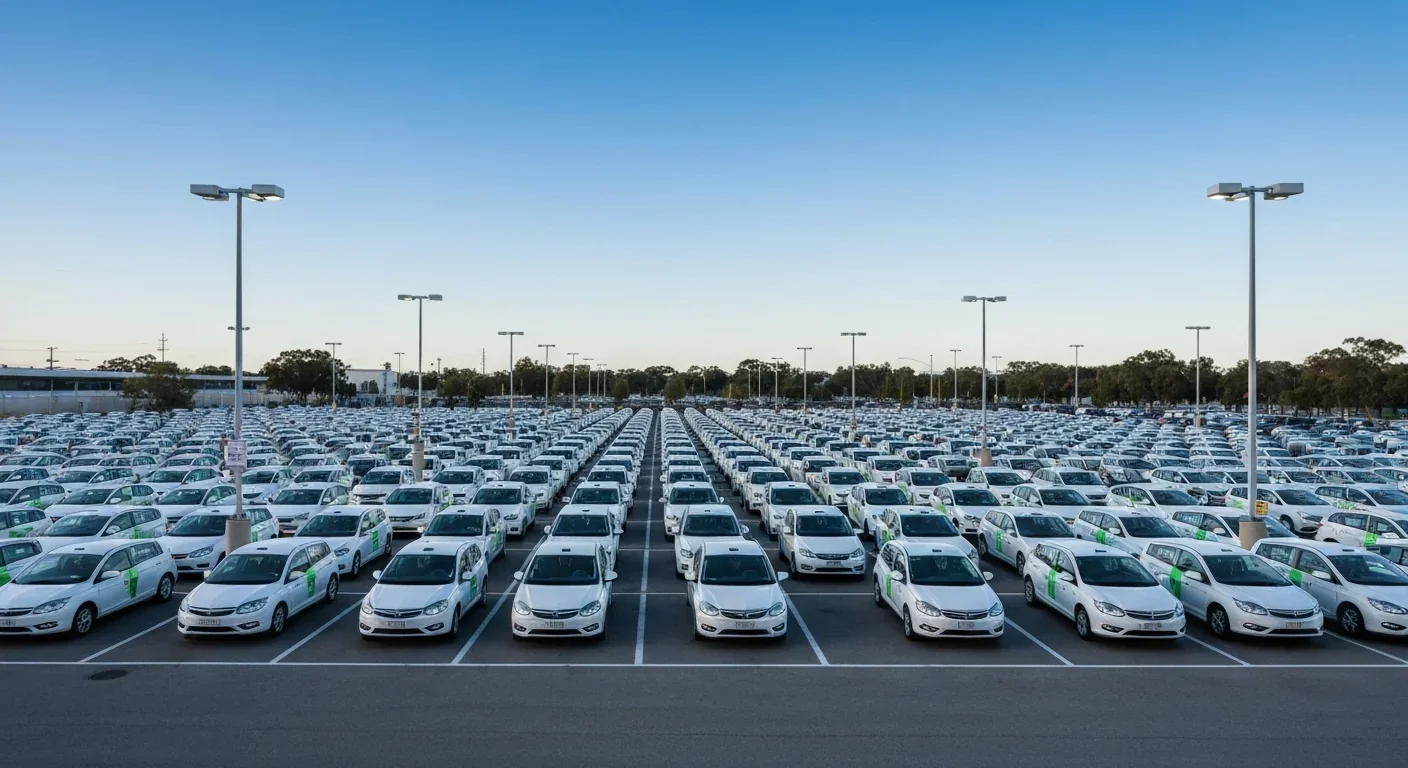
Research shows the sharing economy often increases total resource consumption through the Jevons paradox and rebound effects. Ride-sharing adds billions of vehicle miles, co-working spaces use more energy per worker, and diffused responsibility erodes conservation behavior. Breaking the paradox requires congestion pricing, accountability design, and matching sharing models to appropriate resource types.
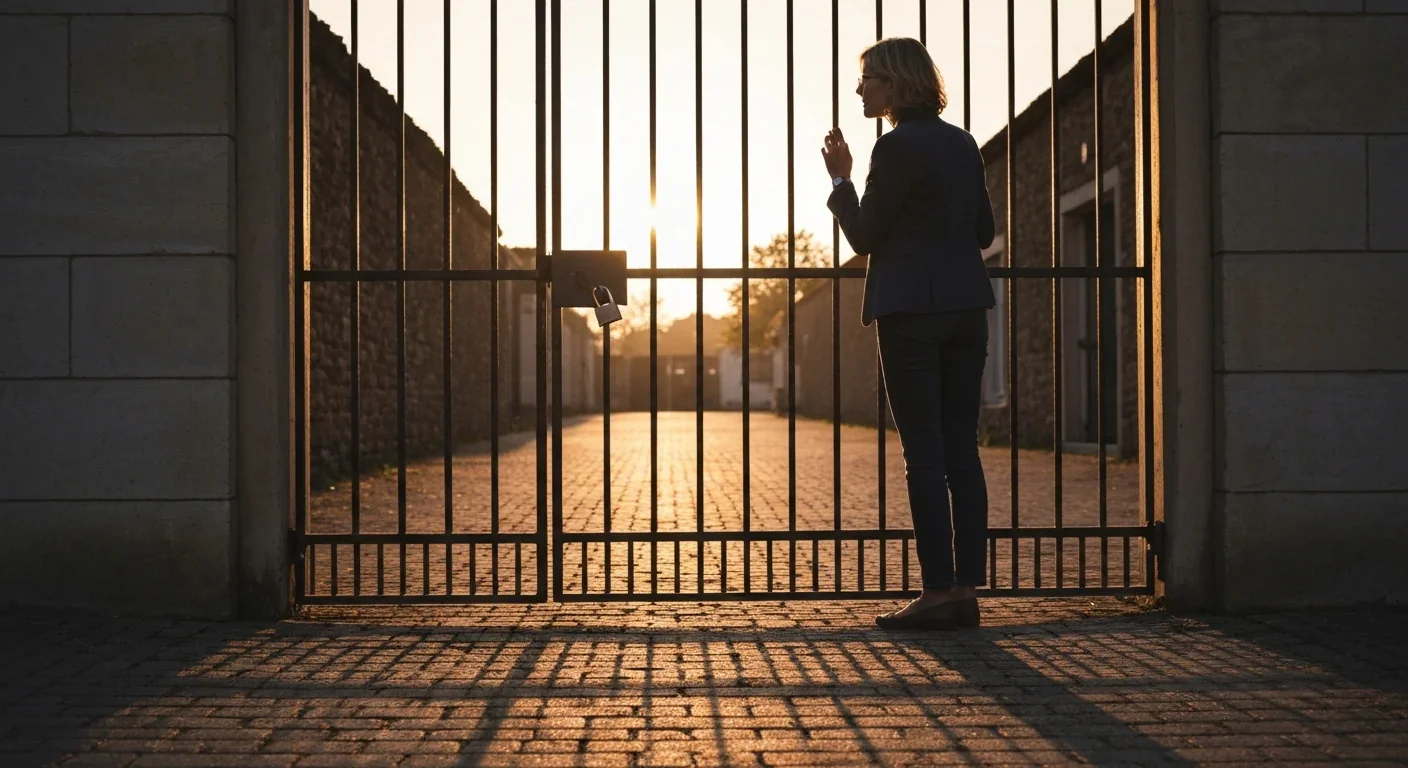
Psychological reactance theory explains why banning or restricting things makes people want them more. From Prohibition to the Streisand effect to scarcity marketing, research shows that threatening people's freedom reliably backfires, and autonomy-supportive communication is far more effective.

A carnivorous pitcher plant in Borneo evolved to house bats instead of trapping insects, gaining up to 95% of its nitrogen from bat guano. The plant even built an ultrasonic reflector to help bats find it, revealing that carnivory in plants is a flexible spectrum.
The quantified self movement began as a hacker-ethos pursuit of personal insight, but corporate wearables now funnel biometric data to employers, insurers, and data brokers. With 81% of Americans wrongly believing health apps are HIPAA-protected, a regulatory void enables health data to be sold for pennies while generating anxiety instead of empowerment.

CXL memory pooling lets servers dynamically share DRAM over a cache-coherent interconnect, eliminating the 40% stranded memory waste in data centers. With commercial hardware now shipping and Azure deploying CXL cloud instances, this technology promises to cut memory costs by 50% while enabling composable infrastructure.

Loading featured articles...