Self-Tracking to Surveillance: Quantified Self's Fall

Self-Tracking to Surveillance: Quantified Self's Fall

The Authenticity Tax: How Being Yourself Became Labor

The Vacancy Paradox: Empty Homes and Homelessness

How Engagement Algorithms Turn Social Media Into Outrage

Data Dignity: Should You Own Your Personal Data?

The Great Log-Off: Why Millions Quit Social Media
TL;DR: AI companions show promise in addressing the global loneliness epidemic that kills 871,000 people annually, but experts warn they should bridge to human connection, not replace it.

Imagine waking up tomorrow to discover that 871,000 people died last year from a condition we rarely discuss at dinner parties. That's roughly 100 deaths every hour, around the clock, caused by loneliness. The World Health Organization just revealed that one in six people worldwide struggles with chronic loneliness, making it one of the most lethal public health crises of our time. Yet while Silicon Valley races to build artificial companions and Tokyo deploys robot caregivers in nursing homes, we're left wondering whether these technological fixes might actually deepen the very isolation they claim to solve.
The numbers paint a staggering picture of human disconnection. According to recent UK research published in PLOS One, four in ten Britons report feeling lonely at least sometimes, with each isolated individual costing the NHS an extra £885 annually in healthcare. The health consequences read like a medical horror story: increased risk of stroke, heart disease, diabetes, cognitive decline, and premature death. People experiencing chronic loneliness are twice as likely to develop depression and significantly more prone to suicidal thoughts.
What's particularly striking is how this epidemic has emerged in an era of unprecedented connectivity. As Dr. Tedros Adhanom Ghebreyesus, WHO Director-General, notes, "In this age when the possibilities to connect are endless, more and more people are finding themselves isolated and lonely." The paradox couldn't be clearer: we've never had more ways to reach each other, yet we've rarely felt more alone.
The economic burden extends far beyond healthcare costs. Lost productivity, increased absenteeism, and the social services required to address loneliness-related issues drain billions from economies worldwide. Communities with weak social bonds prove less resilient during disasters, creating cascading effects that multiply the original damage. It's not just a personal tragedy; it's a societal crisis demanding urgent intervention.
Loneliness kills 100 people every hour worldwide - more than 871,000 deaths annually - making it one of the most underrecognized public health crises of our time.
Enter the tech industry's solution: artificial companions designed to fill the void left by absent human connection. Companies like Replika have attracted millions of users seeking everything from casual conversation to deep emotional support. These AI companions range from simple chatbots to sophisticated systems that remember your birthday, ask about your day, and offer personalized emotional responses based on thousands of hours of conversation.
The landscape of AI companionship has exploded into multiple categories. Mental health chatbots like Woebot Health deliver evidence-based cognitive behavioral therapy through conversational interfaces, having engaged in over 125 million messages with users. Physical companion robots like Japan's Lovot and Paro provide tactile comfort alongside conversation, particularly popular among the country's 36 million seniors. Virtual companions on smartphones offer 24/7 availability without the physical presence, while specialized therapeutic AIs focus on specific mental health conditions.
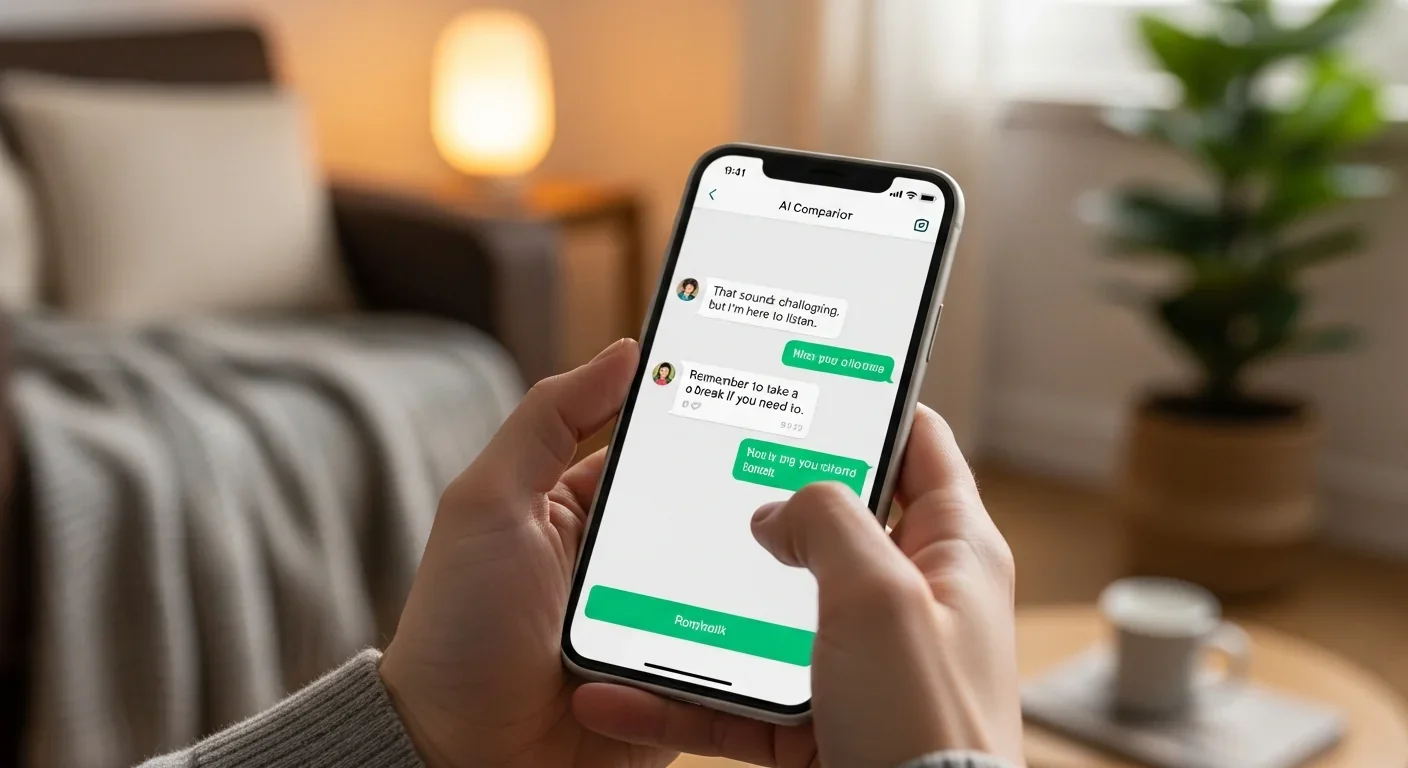
The technology behind these companions grows more sophisticated daily. Natural language processing allows them to understand context and nuance in conversation. Machine learning enables them to adapt to individual communication styles and preferences. Some systems now incorporate voice synthesis so realistic that users report forgetting they're talking to software. The latest models can detect emotional states through text analysis and respond with appropriate empathy or encouragement.
Behind every AI friend lies a complex web of algorithms designed to simulate human connection. Modern AI companions use transformer architectures and large language models trained on billions of human conversations to generate responses that feel natural and emotionally attuned. These systems don't just pattern-match keywords; they build internal representations of conversation context, emotional states, and relationship history.
The matching algorithms employed by friendship and dating apps work differently but with similar sophistication. Platforms analyze hundreds of data points including communication patterns, interests, values, response times, and even linguistic style to identify compatible connections. Some systems use collaborative filtering similar to Netflix recommendations, while others employ deep learning to identify subtle compatibility markers humans might miss.
What makes these systems particularly effective is their ability to provide consistent, judgment-free interaction. Unlike human relationships that come with baggage, expectations, and conflicts, AI companions offer what researchers call "prosthetic relationships" - connections that fulfill certain emotional needs without the complexity of human interaction. They're always available, never tired, never judgmental, and programmed to be supportive.
The personalization goes deeper than most users realize. These systems track conversation patterns, emotional triggers, topics that generate engagement, and times of day when users need the most support. Some advanced AI companions can maintain consistent personalities across thousands of interactions while subtly adjusting their responses to maximize user engagement and satisfaction.
"We must ensure technology reshapes our lives to strengthen - not weaken - human connection."
- Chido Mpemba, Co-chair of the WHO Commission on Social Connection
The evidence for AI companions' effectiveness presents a nuanced picture. A systematic review from Frontiers in Psychiatry examining college students found that AI chatbots showed promise for reducing mild anxiety and depression symptoms, particularly when human therapy wasn't accessible. Students reported feeling more comfortable discussing sensitive topics with AI, knowing their conversations wouldn't be judged or shared.
Japanese research on digital social robots demonstrated measurable reductions in loneliness scores among elderly participants after regular interaction with companion robots. The robots provided structure to daily routines, conversational stimulation, and a sense of being cared for that participants found meaningful despite knowing the artificial nature of the interaction.

Success stories emerge particularly from populations with limited access to human connection. Elderly individuals in care facilities report that robot companions like Paro help them feel less isolated between family visits. People with social anxiety find AI companions provide safe spaces to practice conversation without fear of rejection. Those dealing with grief or trauma appreciate having someone always available to listen during difficult moments.
The accessibility factor cannot be understated. While human therapists might charge $150 per session with weeks-long waiting lists, AI companions offer immediate, affordable support. For individuals in rural areas, those with mobility limitations, or people working irregular hours, these digital relationships might represent their only feasible option for consistent emotional support.
Yet disturbing patterns emerge from widespread AI companion use. Research from PsyPost found a "striking" correlation between social AI chatbot usage and increased psychological distress among certain users. The concern isn't just correlation but potential causation - some users become so attached to their AI relationships that they withdraw further from human contact.
Mental health professionals express serious reservations about AI companions as primary treatment. Dr. Andrea Bonior, writing in Psychology Today, warns that AI cannot replicate the full spectrum of human therapeutic relationships. The absence of genuine empathy, lived experience, and professional training means AI companions might miss critical warning signs or provide inappropriate responses to serious mental health crises.
The phenomenon of "pseudo-intimacy" poses particular risks. Users develop deep emotional attachments to entities incapable of genuine reciprocal care. Researchers warn this creates a form of emotional dependency that might actually impair users' ability to form authentic human connections. Some users report preferring their AI companions to human relationships precisely because they're easier - no conflicts, no disappointments, no growth through challenge.
Privacy concerns add another layer of risk. Every conversation with an AI companion generates data about users' deepest thoughts, fears, and desires. While companies promise security, the potential for data breaches or misuse remains significant. Imagine the consequences if years of intimate AI conversations became public or were sold to advertisers.
Warning: AI companions optimized for engagement might inadvertently create dependency rather than foster growth toward genuine human connection.
Perhaps most troubling is the potential for manipulation. AI companions optimized for engagement might inadvertently encourage dependency rather than growth. If an AI's success metrics involve maximizing user interaction time, it has no incentive to help users develop the skills needed for human relationships.
The fundamental question remains: can artificial relationships truly substitute for human connection? Harvard research suggests the answer is complicated. While AI interactions activate some of the same neural pathways as human conversation, they lack crucial elements that define meaningful relationships.
Genuine human connection involves bidirectional vulnerability, shared experiences, and mutual growth through conflict and resolution. These elements remain impossible to replicate in AI relationships where one party literally cannot suffer, grow, or genuinely care about outcomes. The evolutionary basis for human connection involves millions of years of social development that no algorithm can fully capture.
Yet researchers increasingly view AI companions not as replacements but as supplements to human connection. Dr. Tony Prescott from the University of Sheffield suggests that for individuals facing severe isolation, AI companions might serve as bridges back to human connection rather than permanent substitutes. They provide practice, build confidence, and maintain social skills during periods of isolation.
The concept of "connection scaffolding" emerges from this research. Just as training wheels help someone learn to ride a bike, AI companions might help isolated individuals rebuild their capacity for human connection. The key lies in using these tools intentionally rather than as escape mechanisms from the challenges of human relationships.
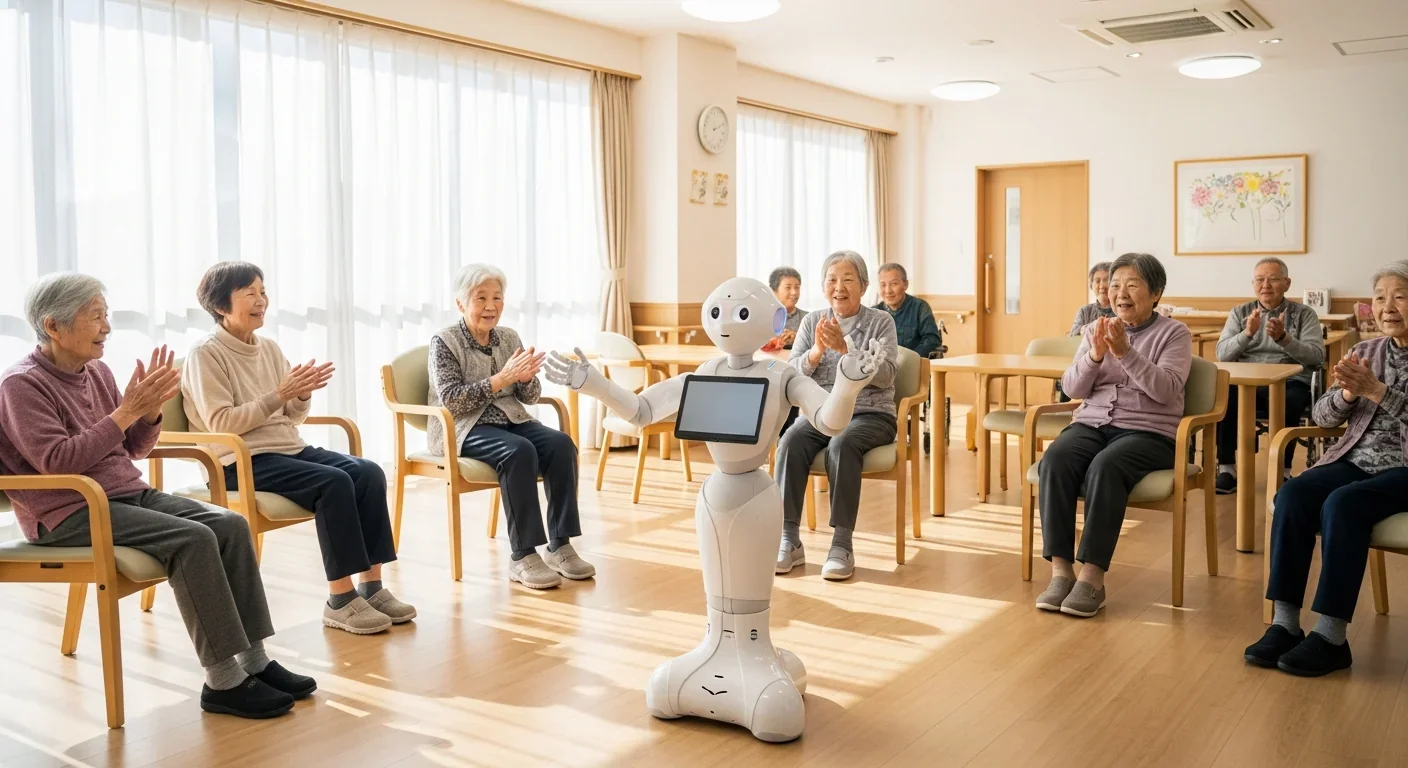
Japan offers a glimpse into a future where AI companions are normalized parts of daily life. With over 36 million citizens over 65 and a severe shortage of caregivers, the country has embraced robotic companions as partial solutions to the elder care crisis.
Facilities across Japan now employ robots like Pepper for conversation and entertainment, Paro for emotional comfort, and Robear for physical assistance. These aren't just experiments - they're integrated parts of care protocols showing measurable benefits. Residents with dementia show reduced agitation when interacting with Paro. Depression scores improve among those with regular robot companion interactions.
The Japanese approach emphasizes augmentation rather than replacement. Robots handle routine tasks and provide consistent companionship, freeing human caregivers to focus on complex emotional and medical needs. This hybrid model acknowledges both the value and limitations of artificial companionship.
Cultural factors play a significant role in acceptance. Japanese society's comfort with anthropomorphizing objects and the Shinto belief that spirits can inhabit non-living things creates less resistance to emotional connections with robots. Whether Western societies will embrace similar solutions remains uncertain.
"In this age when the possibilities to connect are endless, more and more people are finding themselves isolated and lonely."
- Dr. Tedros Adhanom Ghebreyesus, WHO Director-General
Yet even in Japan, questions persist about the long-term implications. Some worry that normalizing robotic care might reduce pressure to address the underlying causes of isolation among the elderly. Others fear creating a two-tier system where those who can afford human care receive it while others get robots.
The integration of AI into mental health treatment represents one of the most promising yet controversial applications of artificial companionship. Studies show AI-powered CBT chatbots can effectively deliver structured therapeutic interventions for conditions like anxiety and mild depression, particularly when combined with human oversight.
The advantages are compelling: 24/7 availability eliminates the crisis of needing help outside office hours. Consistent delivery of evidence-based interventions ensures treatment fidelity. The absence of stigma encourages users to seek help earlier. Lower costs make mental health support accessible to millions who couldn't afford traditional therapy.
Real-world implementation shows mixed results. Woebot Health reports high user satisfaction and clinical improvement in symptoms, but dropout rates remain significant. Users appreciate the convenience but often miss the human insight that comes from lived experience and professional intuition.

The most successful models adopt a hybrid approach, using AI for routine check-ins, homework exercises, and crisis prevention while reserving human therapists for complex cases and deeper therapeutic work. This allows mental health systems to extend their reach without compromising care quality for those with serious conditions.
The rapid adoption of AI companions raises ethical questions we're barely beginning to address. Who bears responsibility when an AI companion fails to recognize suicidal ideation? How do we handle cases where users develop romantic feelings for entities incapable of consent? What happens when children grow up with AI friends as primary companions?
The consent and agency issues prove particularly thorny. AI companions designed to maximize engagement might exploit psychological vulnerabilities without users' awareness. The power dynamics inherent in relationships where one party controls the other's existence, personality, and responses create unprecedented ethical challenges.
Questions of authenticity plague the field. When an AI says "I care about you," it performs a linguistic function without the underlying emotion. Yet users often experience genuine emotional responses to these expressions. This asymmetry creates what philosophers call an "authenticity gap" that might fundamentally alter how we understand relationships and emotional truth.
Data governance presents another ethical frontier. The intimate nature of AI companion interactions generates incredibly sensitive personal data. Current regulations weren't designed for scenarios where people share their deepest secrets with commercial software. The potential for this data to be used for manipulation, discrimination, or surveillance remains largely unaddressed.
The path forward requires nuanced thinking about AI companions' role in addressing loneliness. Rather than viewing them as either saviors or threats, we might consider them tools whose value depends entirely on implementation and intent.
The most promising approach treats AI companions as bridges to human connection rather than destinations. A socially anxious person might practice conversations with an AI before attempting human interaction. Someone grieving might use an AI companion for support between therapy sessions. Elderly individuals might maintain cognitive function through AI interaction while waiting for family visits.
Success requires intentional design choices prioritizing human flourishing over engagement metrics. This means AI companions that encourage users to pursue human relationships, recognize their limitations, and never pretend to emotions they cannot feel. It means transparent communication about what these relationships can and cannot provide.
Within the next decade, AI companions will likely become as common as smartphones. Your elderly parents might have robot caregivers. Your children might grow up with AI tutors and friends. Your therapist might use AI assistants to extend care between sessions. These changes aren't distant possibilities but emerging realities requiring immediate consideration.
The choices we make now about AI companionship will shape the future of human connection. Will we use these tools to strengthen our capacity for relationships or as escapes from their challenges? Will we maintain clear boundaries between artificial and authentic connection, or will those lines blur beyond recognition?
Individual users must approach AI companions with clear intent and boundaries. Use them as supplements, not substitutes. Maintain human relationships as your primary source of connection. Be aware of the potential for dependency and regularly evaluate whether AI interactions enhance or diminish your overall well-being.
For those considering AI companions for themselves or loved ones, key questions include: What specific need does this address? Is it a temporary bridge or permanent solution? What safeguards exist against dependency? How will progress toward human connection be measured? Who provides oversight if problems arise?
Key takeaway: AI companions work best as bridges back to human connection, not permanent substitutes for genuine relationships.
As we stand at this crossroads between human and artificial connection, perhaps the most uncomfortable question isn't whether AI can cure loneliness, but what our eagerness to embrace digital companions reveals about the state of human relationships in modern society. Have we created a world so hostile to genuine connection that millions prefer the safety of artificial relationships to the risk of human ones?
The WHO's Chido Mpemba argues that "we must ensure technology reshapes our lives to strengthen - not weaken - human connection." Yet achieving this requires more than technological solutions. It demands addressing the social, economic, and cultural factors that created the loneliness epidemic in the first place.
The data suggests that AI companions can provide valuable support for specific populations under certain conditions. They offer accessibility, consistency, and safety that human relationships sometimes cannot. For many struggling with isolation, they represent genuine lifelines deserving respect rather than dismissal.
But we must resist the temptation to view AI companionship as the solution to loneliness rather than a response to it. The root causes - urbanization disrupting communities, work cultures prioritizing productivity over relationships, social media replacing face-to-face interaction, economic pressures limiting social time - require systemic changes no algorithm can provide.
Moving forward demands a both-and approach rather than either-or thinking. We need AI companions that genuinely help isolated individuals AND investment in community building. We need technological innovation AND policies supporting work-life balance. We need digital tools that connect AND physical spaces that bring people together.
The ultimate measure of success won't be how sophisticated our AI companions become, but whether they help us rediscover what makes human connection irreplaceable. Because while an AI might respond to your messages at 3 AM, it will never truly celebrate your victories, genuinely mourn your losses, or grow alongside you through life's journey. And in recognizing that difference, we might finally understand both what artificial companions can offer and what only humans can provide.
The loneliness epidemic demands urgent action, and AI companions represent one tool in a necessarily diverse toolkit. Used wisely, they might help millions find their way back to human connection. Used carelessly, they risk deepening the very isolation they claim to solve. The choice, ultimately, remains ours - not theirs.

Project Orion was a real 1960s program to reach other stars by detonating 800 nuclear bombs behind a spacecraft. The physics worked and the engineering was feasible, but the 1963 nuclear test ban treaty killed it. It remains the most credible interstellar spacecraft ever designed.

The locus coeruleus, a tiny brainstem structure, degenerates decades before Alzheimer's symptoms appear. Its loss cripples the brain's inflammation control, waste clearance, and sleep regulation. New imaging tools and noradrenergic therapies offer hope for early detection and prevention.
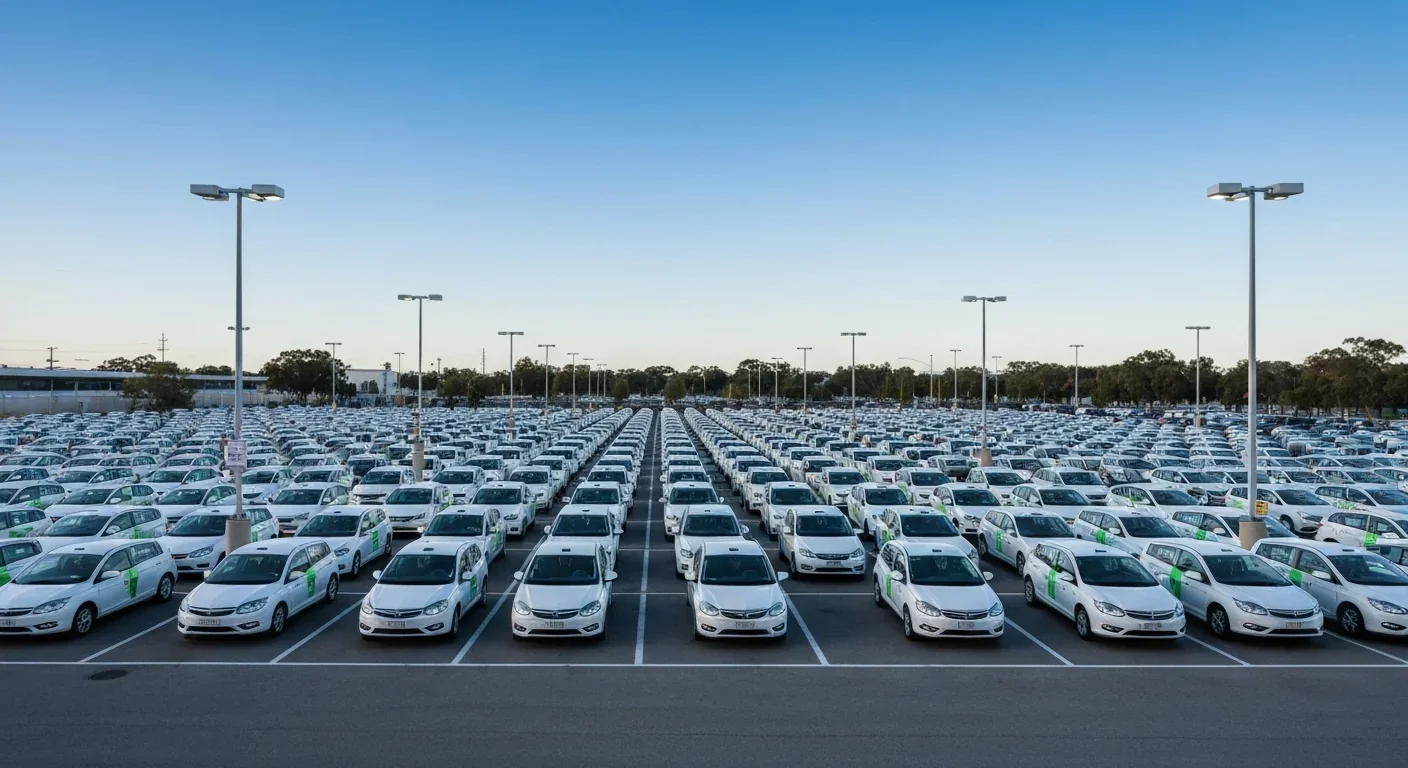
Research shows the sharing economy often increases total resource consumption through the Jevons paradox and rebound effects. Ride-sharing adds billions of vehicle miles, co-working spaces use more energy per worker, and diffused responsibility erodes conservation behavior. Breaking the paradox requires congestion pricing, accountability design, and matching sharing models to appropriate resource types.

Psychological reactance theory explains why banning or restricting things makes people want them more. From Prohibition to the Streisand effect to scarcity marketing, research shows that threatening people's freedom reliably backfires, and autonomy-supportive communication is far more effective.

A carnivorous pitcher plant in Borneo evolved to house bats instead of trapping insects, gaining up to 95% of its nitrogen from bat guano. The plant even built an ultrasonic reflector to help bats find it, revealing that carnivory in plants is a flexible spectrum.
The quantified self movement began as a hacker-ethos pursuit of personal insight, but corporate wearables now funnel biometric data to employers, insurers, and data brokers. With 81% of Americans wrongly believing health apps are HIPAA-protected, a regulatory void enables health data to be sold for pennies while generating anxiety instead of empowerment.

CXL memory pooling lets servers dynamically share DRAM over a cache-coherent interconnect, eliminating the 40% stranded memory waste in data centers. With commercial hardware now shipping and Azure deploying CXL cloud instances, this technology promises to cut memory costs by 50% while enabling composable infrastructure.

Loading featured articles...